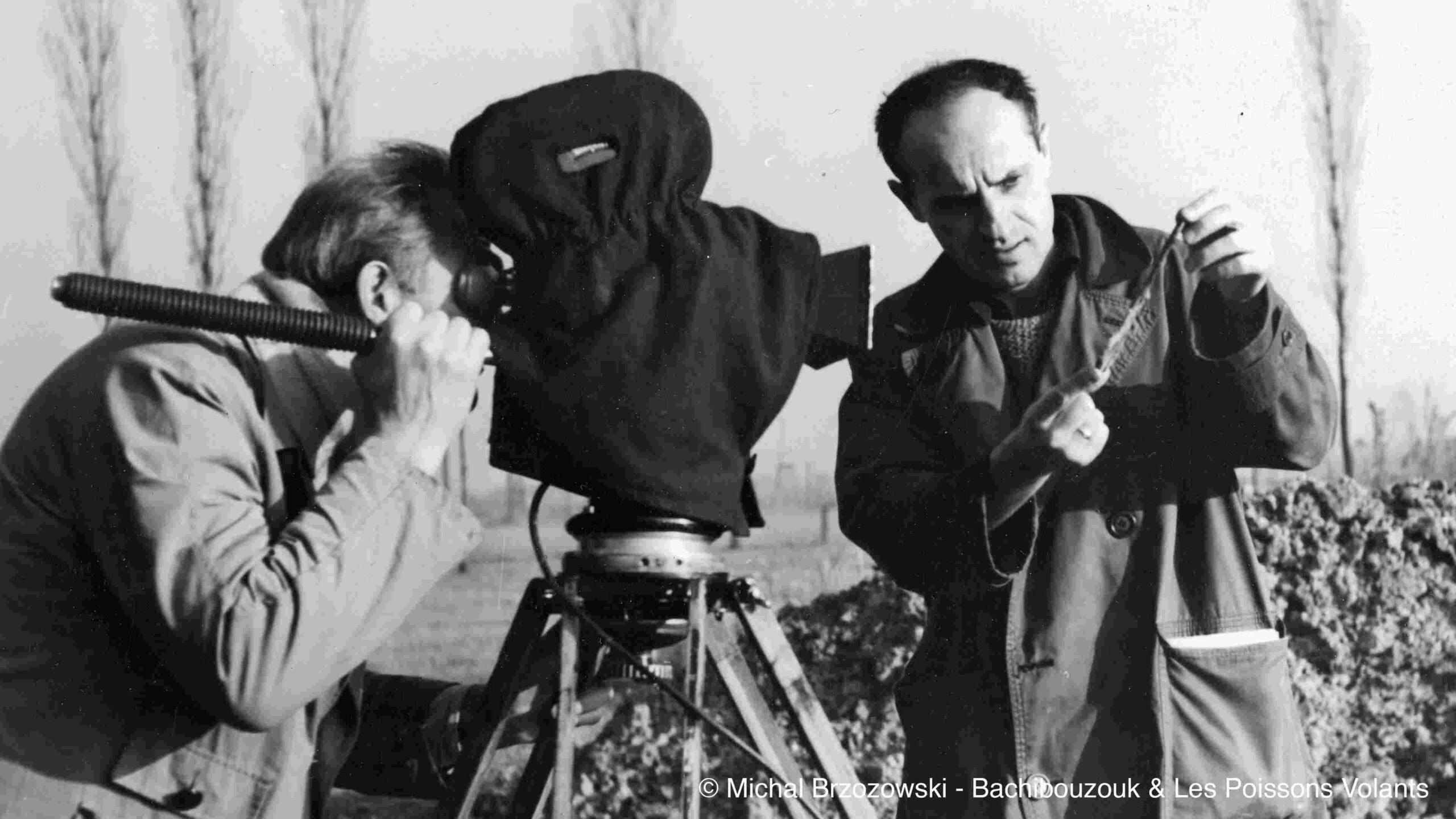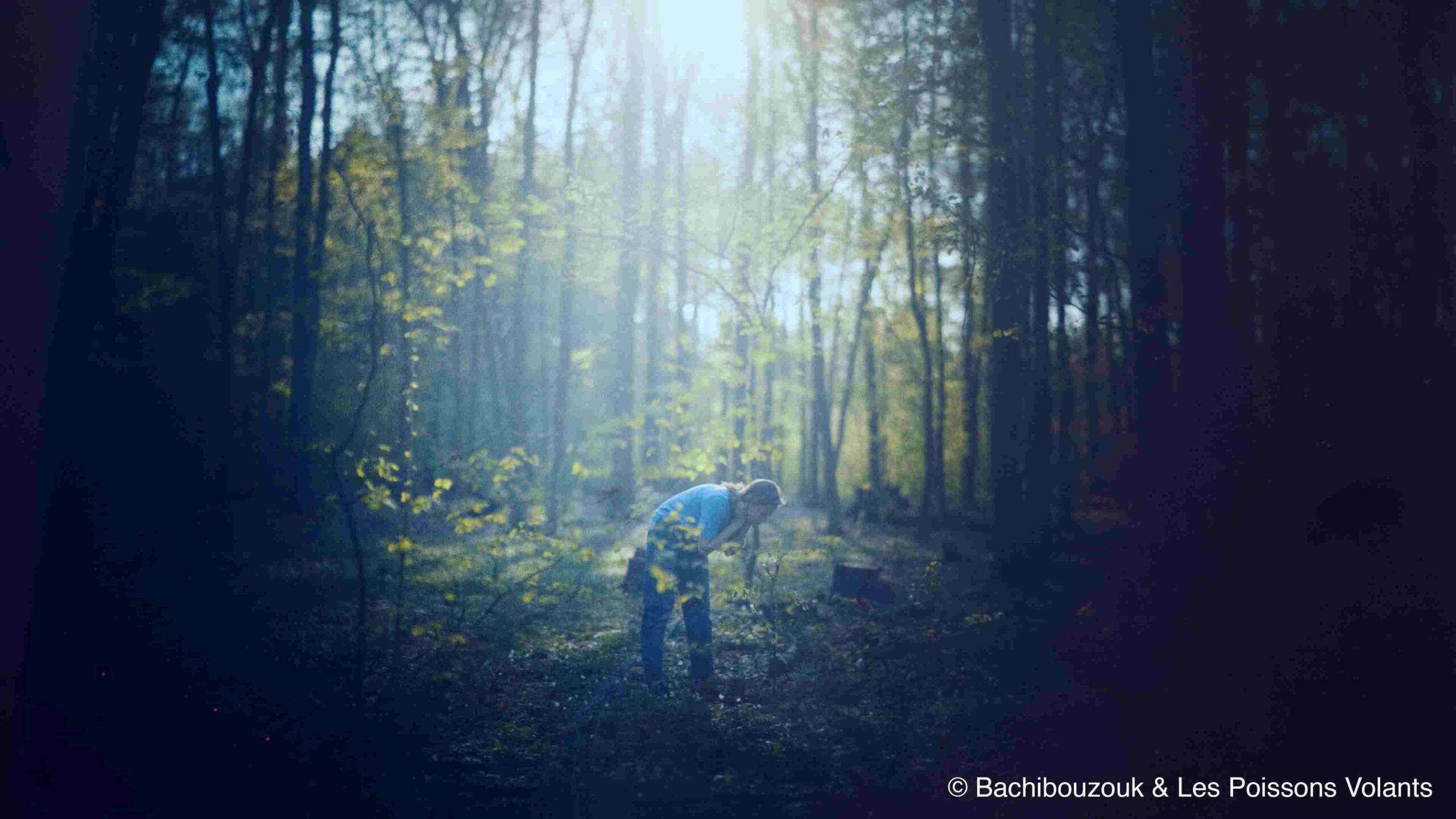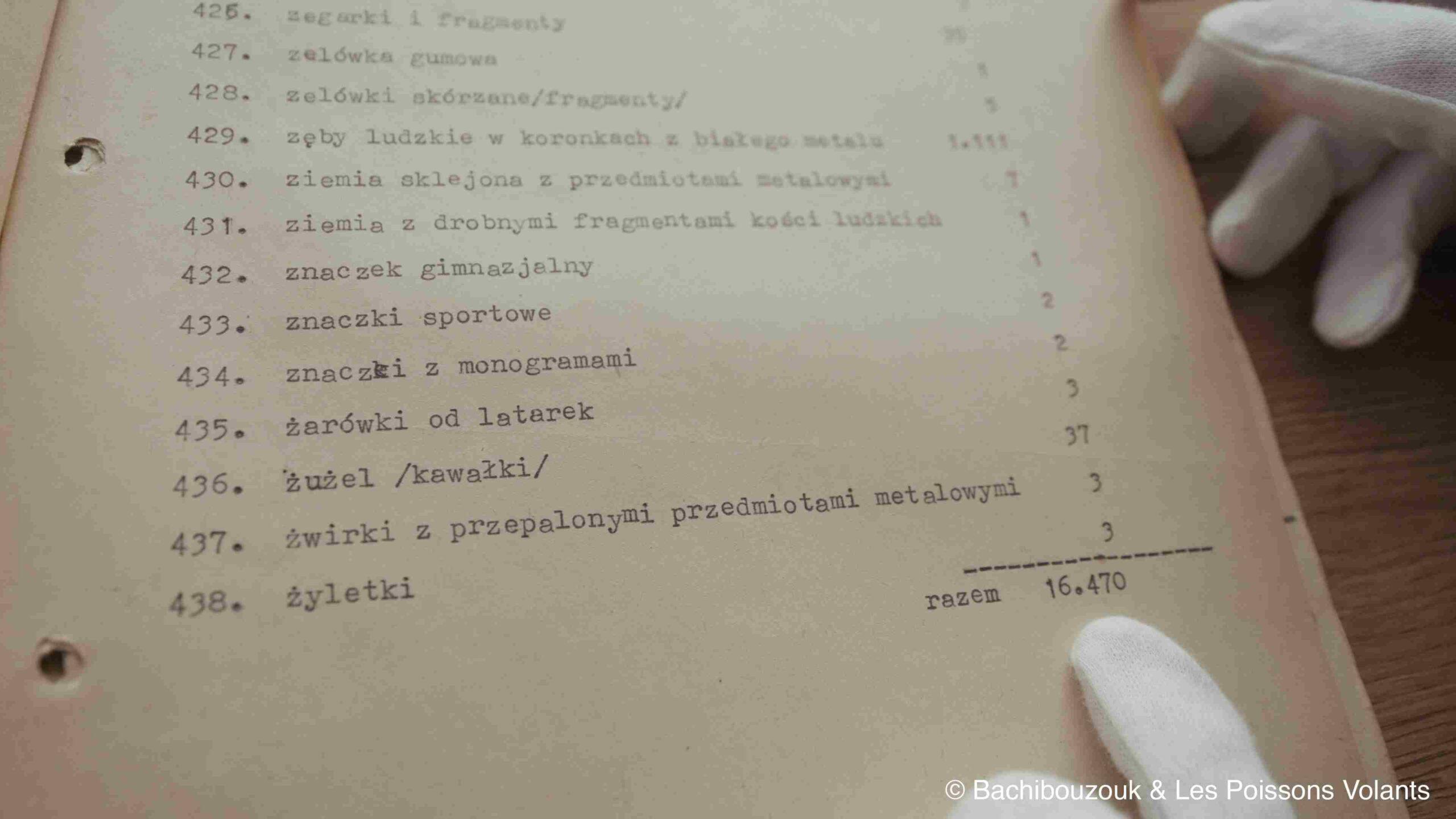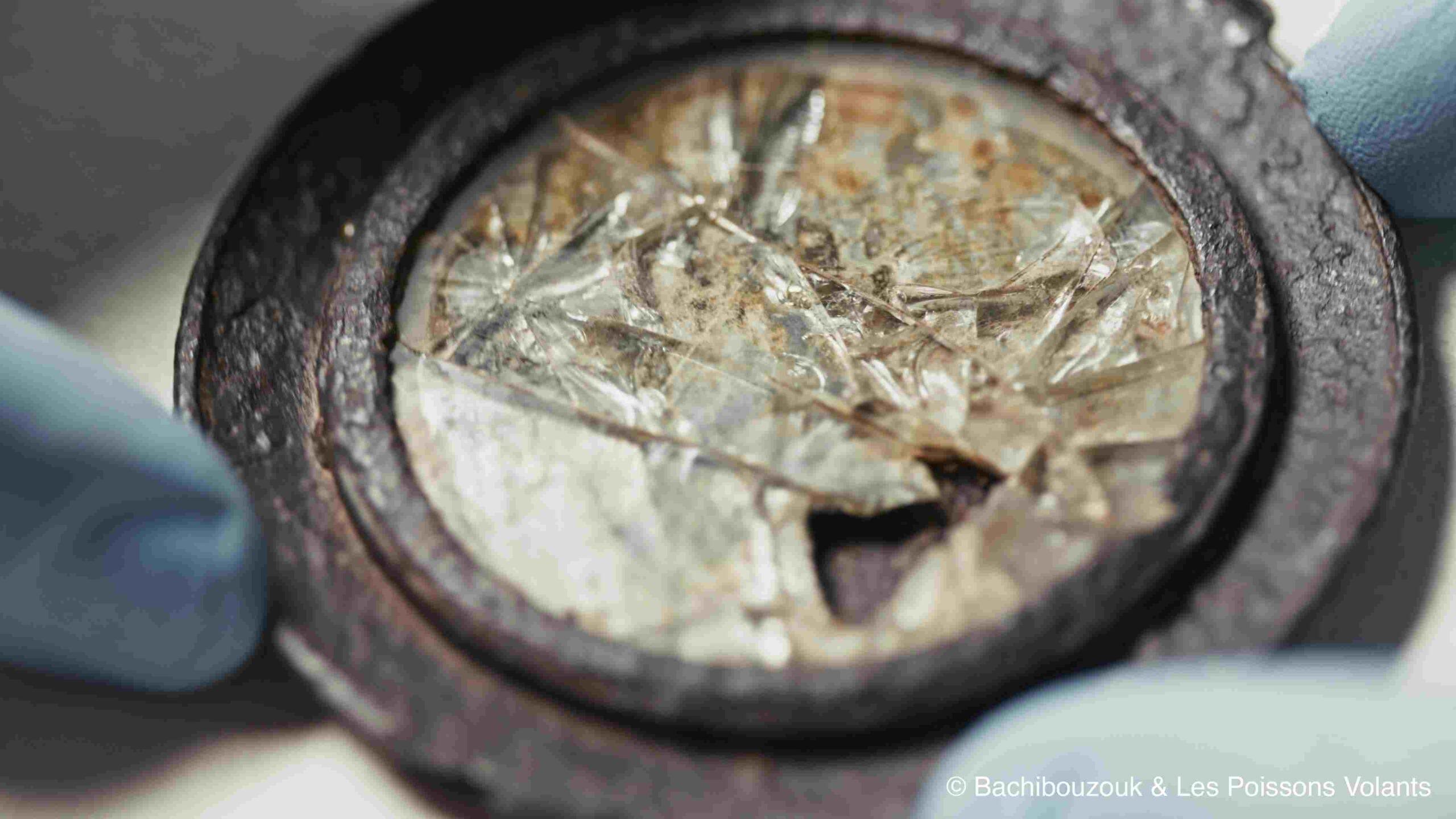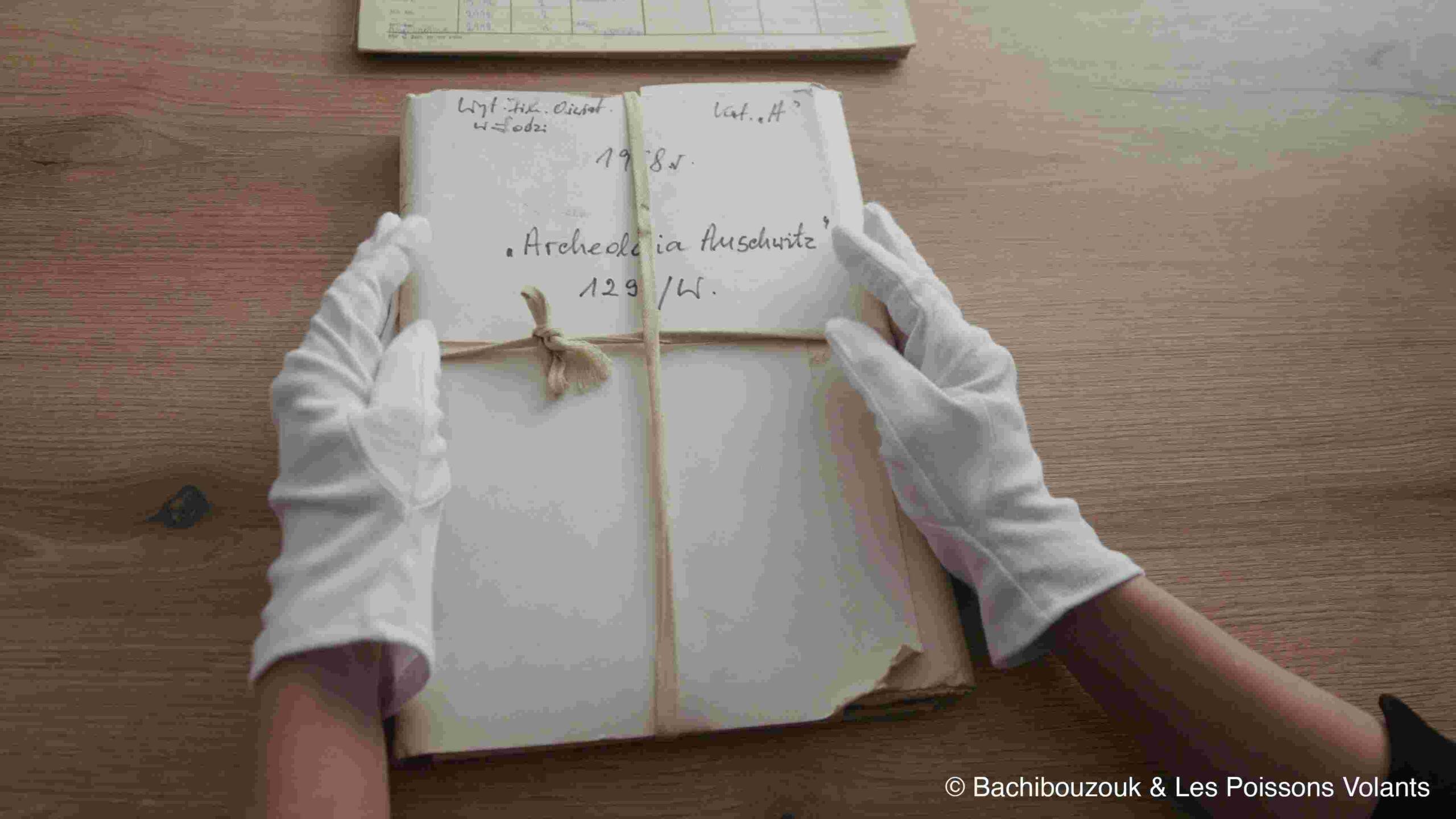
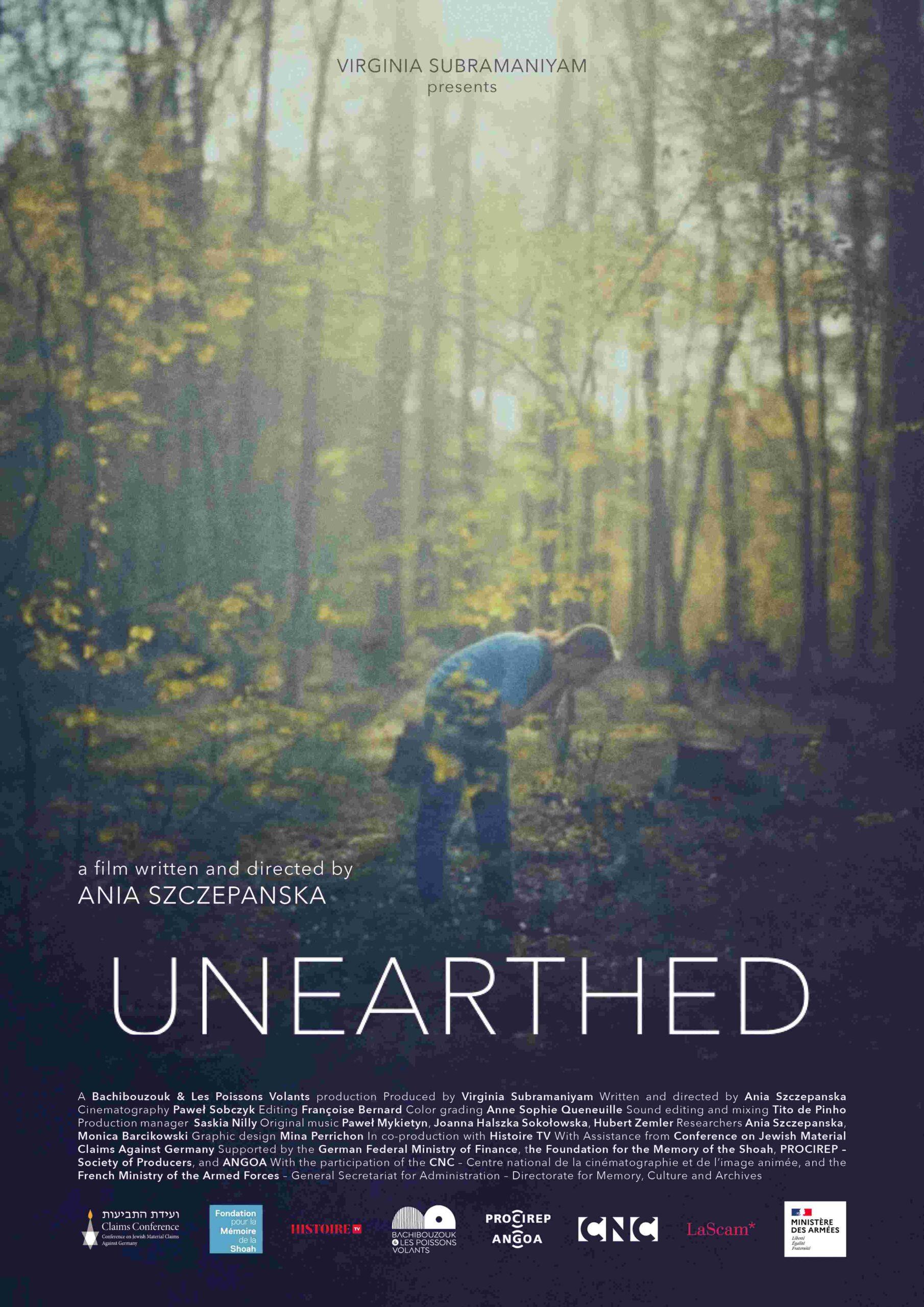
In 1967, Polish filmmaker Andrzej Brzozowski captured on film the only archaeological excavation ever conducted at Auschwitz-Birkenau, near crematoria II and III. 16,470personal items, serving as silent testimonies to the victims, most of them Jewish, were unearthed from the soil. More than half a century later, filmmaker and historian Ania Szczepanska sets out to retrace the fate of these objects and to reflect on the fragile and tangible traces left by memory, history, and absence.
Synopsis
In 1967, Polish filmmaker Andrzej Brzozowski shot a striking short film in the area of crematoria II and III at Auschwitz-Birkenau. There, he captured archaeologists unearthing thousands of objects that had belonged to victims, most of them Jewish, murdered in the gas chambers. The 14-minute film quickly faded into obscurity, and the objects disappeared.
Fifty years later, Ania Szczepanska rediscovers this forgotten work and begins a moving investigation. How was such a film even possible in communist Poland?
Who was the archaeologist leading the excavation? And what happened to the 16,470 fragments of humanity recovered from the ground?
As her inquiry unfolds, buried memories begin to resurface. She meets those who made the original discovery possible and explores lesser-known archives. Alongside Brzozowski’s early films, a surprising figure in Polish cinema, other works come to light: fiction films, documentaries, newsreels, amateur films from the 1950s and 60s, and scientific shorts with a haunting aesthetic that borders on experimental cinema.
Film and history intersect and resonate with each other in this documentary, where questions of memory take shape through a single film.
Through this story, a fundamental question emerges: what do we do today with this fragile memory, with these silent traces that history passes on to us? A little-known chapter of Polish history is revealed, along with our responsibility to keep it alive.
About Director
Ania Szczepańska
Filmmaker and historian, Ania Szczepańska was born in Warsaw in 1982. Her films, produced in France, Germany, and Poland, explore the writing of history and its narratives. They examine history and memory from the perspective of the present, through witnesses and visual traces—what they reveal and what they conceal. Her creative work is nourished by academic research and a passion for archives: as a researcher at the University of Paris 1 Panthéon-Sorbonne, in the art history department, she publishes works on cinema and history, leads an archival editing workshop, and collaborates as a filmmaker on museum exhibitions.
Artistic Statement
In 2010, I discovered a startling film: Archeologia, by Polish director Andrzej Brzozowski. This near experimental short documentary is the first and only film to document an archaeological dig on the land of Auschwitz. The director films a group of archaeologists excavating the earth of the site of Europe’s largest cemetery. One shot after another, they unearth thousands of everyday objects.
At the time, I didn’t know much about this story, but I felt it was an outstanding piece of work, both historically and from a cinematic point of view. As I discovered more about Brzozowski’s way of working, I became intrigued by his singular approach.
Festivals, Screenings, & Awards
Ji.hlava International Documentary Film Festival (2025) – World Premier
French television (Histoire TV) (2026)
The Lodz Film Museum (2026)
Year
2025
Film Type
Documentary
Film Length
62 min
Language
French, Polish
Production Country
France
Director
Ania Szczepanska
Writer
Ania Szczepanska
Producer
Virginia Subramaniyam
Cinematographer
Paweł Sobczyk
Editing
Françoise Bernard
Music
Paweł Mykietyn
Joanna Halszka Sokołowska
Hubert Zemler
Narrator
Ania Szczepanska
Researchers
Ania Szczepanska
Monica Barcikowski
Graphic Design
Mina Perrichon
Sound Editing & Mixing
Tito de Pinho
In co-production with
Histoire TV
Funding
With Assistance from Conference on Jewish Material Claims Against Germany
Supported by the German Federal Ministry of Finance
the Foundation for the Memory of the Shoah
the PROCIREP – Société des Producteurs, and ANGOA
With the participation of Centre national de la cinématographie et de l’image animée, Ministère des Armées – Secrétariat général pour l’administration –
Direction de la mémoire, de la culture et des archives.
The film received support from “Brouillon d’un rêve” by the SCAM
and the “Culture with Private Copying” fund
Trailer
Stills