Yair Lev, a Israeli documentary filmmaker turns a detective and sets on a personal and historical journey to uncover the true identity behind the man who stole his grandfather’s identity.
Synopsis
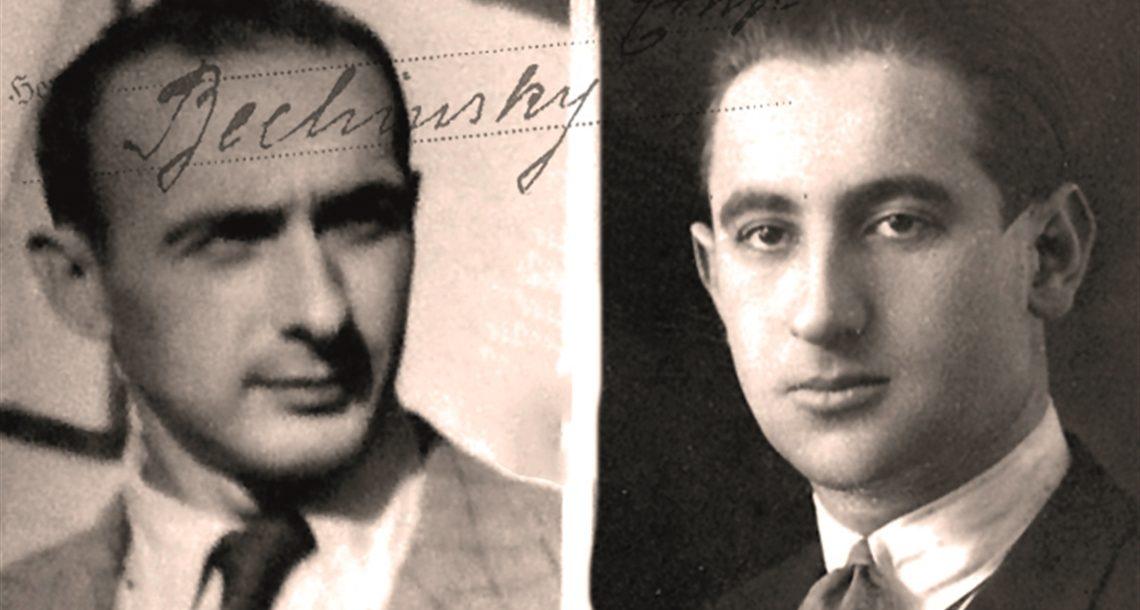
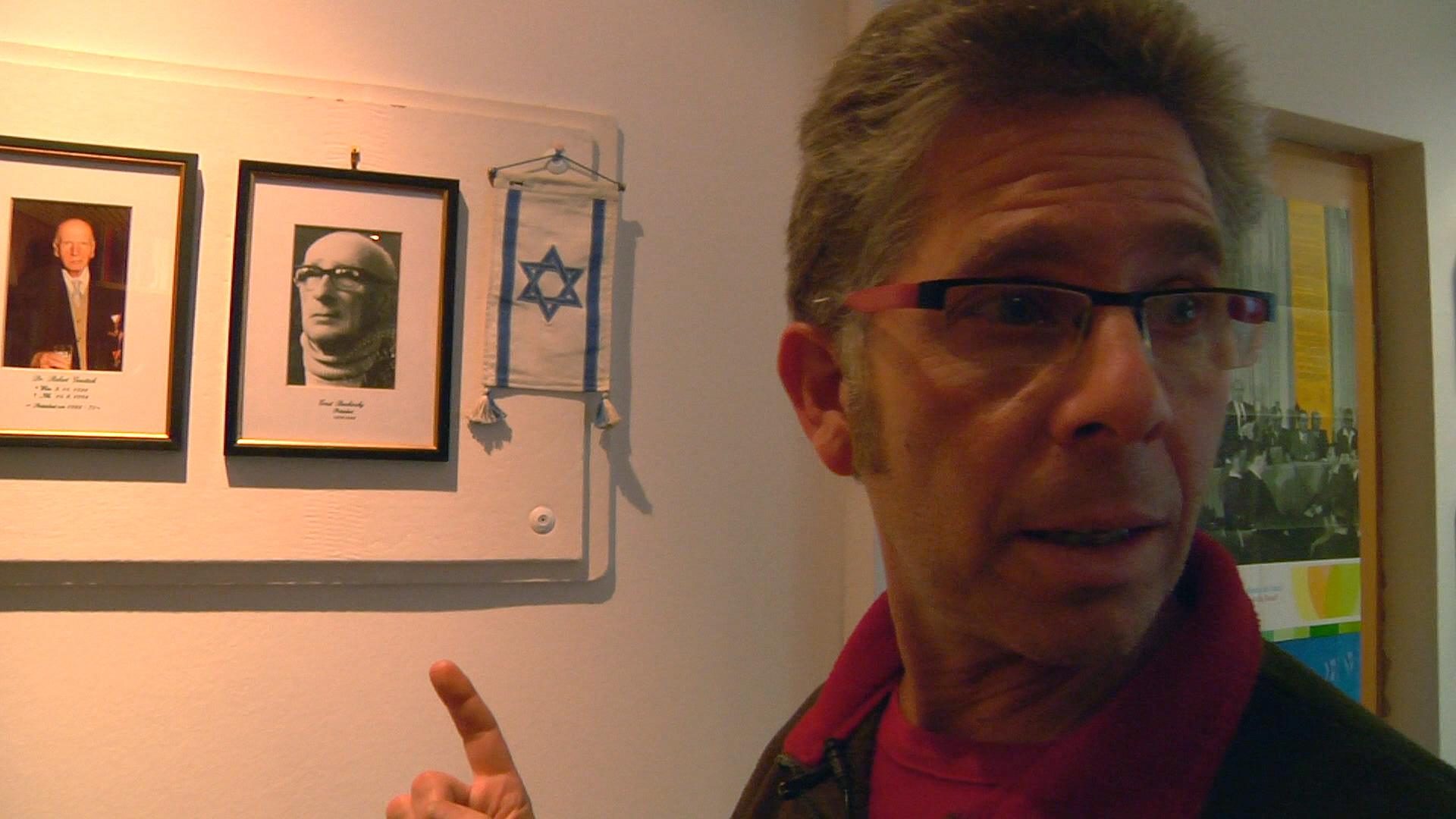
A Jewish detective story in the Alps revolving around the former President of the Jewish Community in Tyrol, Ernst Beschinsky. A man with this name dies twice – once in 1969, in Israel, and a second time in 1987, in Innsbruck. This goes unnoticed, at first. In 2010, when a relative in London leaves a house as inheritance, the question arises both in Israel and in Innsbruck: Who was Ernst Beschinsky really?
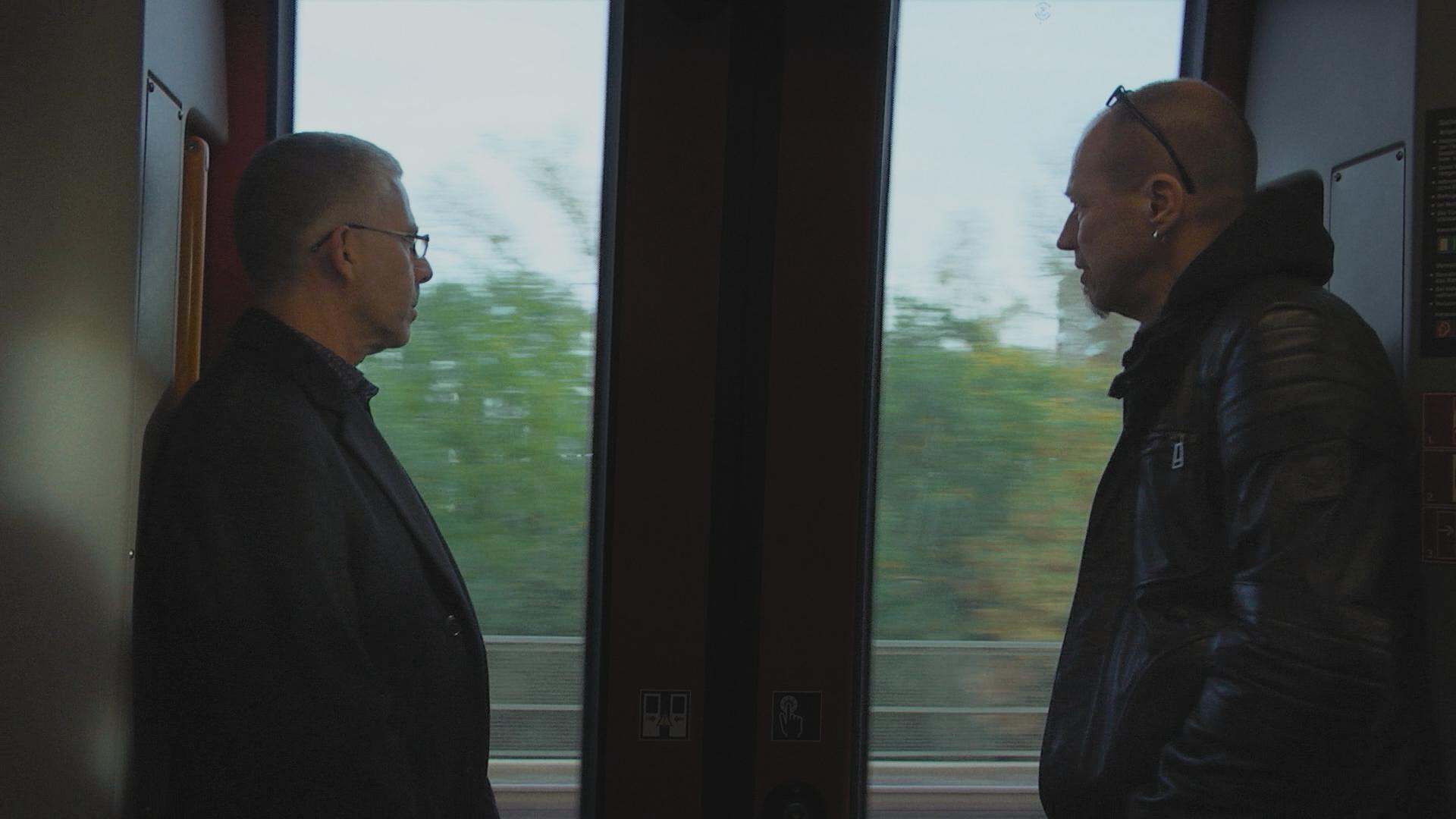
The grandson of the “real” Beschinsky, the Israeli documentary filmmaker Yair Lev, starts on his way to find out who had stolen his grandfather’s identity. He sets out with producer and camera man David Deri, conducting a completely open-ended research, first in Vienna and Innsbruck. Here, he meets relatives from the “other side”, and a thrilling plot starts to unravel in which prominent Tyrolean Nazi families play as big a role as their unexpected support in the rescue of the Innsbruck President Beschinsky through the Nazi era. For a long time, the local Jewish Community fears a scandal. But then, letters emerge in Germany and the U.S. which eventually tell the strong love story between Ernst and Ilse, outshining minor and major misleadings by the authorities in Vienna, Prague, Zurich, Zagreb and Tel Aviv. Eighty years after the end of the war, the generation of grandsons of the two Beschinskys arrives at a mutual, conciliatory way of looking at the events.
A true story, told by numerous forged documents and many authentic reports.
About the Director

Yair Lev
Yair Lev was born in 1959 in Tel Aviv, Israel. He is a director and writer, known for You Only Die Twice (2018), Uri Avnery: A Warrior for Peace (2002) and The Longings of Maya Gordon (2017).
Artistic Statement
After making two films about my father Hugo, a Holocaust survivor, revolving around his extraordinary experiences during the WW2 and our complex relationship (the film Hugo in 1989 and the sequel Hugo II in 2008) – You Die Only Twice took me on a detective quest to solve a mystery concerning my mother’s father, my grandfather Ernest Bachinsky. At the end of a six year’s sojourn full of twists and turns, I found myself back in WW2, between survivors and rescuers, persecuted and persecutors. This time, however, the boundaries between them proved to be more blurred than ever.
The detective in the film, which is me, the film’s director, begins the journey like any other detective with disinformation and with partial and conceptual assumptions. Gradually in the process of discovering the truth behind the stealing of my grandfather’s identify during WW2 I reduced the gap between the lack of knowledge and the notion of truth to a surprising and comforting finale.
When I set to this journey, I was a “second-generation” (to Holocaust survivors), I had never met anyone from “the other side” of Nazis’ descendants. But during the journey I met a courageous man whose curiosity and our warm meeting made him join me in solving the mystery related to the dark history of his family too.
The two main themes in the film are identity and knowledge; Identity – Who a person really is? What is concealed behind one’s name? What brings a person to steal someone else’s identity and how does one live with a false identity? The film tells about the fate of individuals, while looking at the psychology of survivors and survivors of war and especially focusing on how they hide their secrets, lie at the expense of losing the most basic thing in life: one’s own authentic identity.
Knowledge – In order to answer these complex and multifaceted identity questions, we needed a lot of information. Thus, the film answers those questions through multitude of means: memories of the participants on both sides of the Holocaust, documents, still photographs and letters mostly found in archives across Europe and Israel.
The cinematic conception of You Die Only Twice gives an appropriate visual answer to these two themes. As a documentary film about fictitious identity, it is stylized so that it has a “fiction” look and feel based only on a relentless passage of “live action” scenes with no interviews at all. Thus, under the definition “documentary” will hide a detective movie truthful to the genre’s rules. This deliberate “identity problem” concerns also me; The amateur-detective-director who was forced to abandon “the director’s chair” and enter the frame becoming the main character, only to return to the editing table in order to define and structure his character in a detective thriller.
Festivals, Screenings, & Awards
Docaviv Film Festival – Audience Award
Noida International Film Festival India – Best Feature Documentary
Best Documentary Israeli Film Academy – Nominee
São Paulo Jewish Film Festival – Audience Award
Year
2018
Film Type
Documentary
Film Length
1 hour 32 minutes
Director
Yair Lev
Screenplay
Yair Lev
David Deri
Producers
David Deri
Markus Glaser
Guy Lavie
Music
Jonathan Bar-Giora
Cinematographer
David Deri
Editor
Yaniv Rize Sheffy

Trailer
Stills