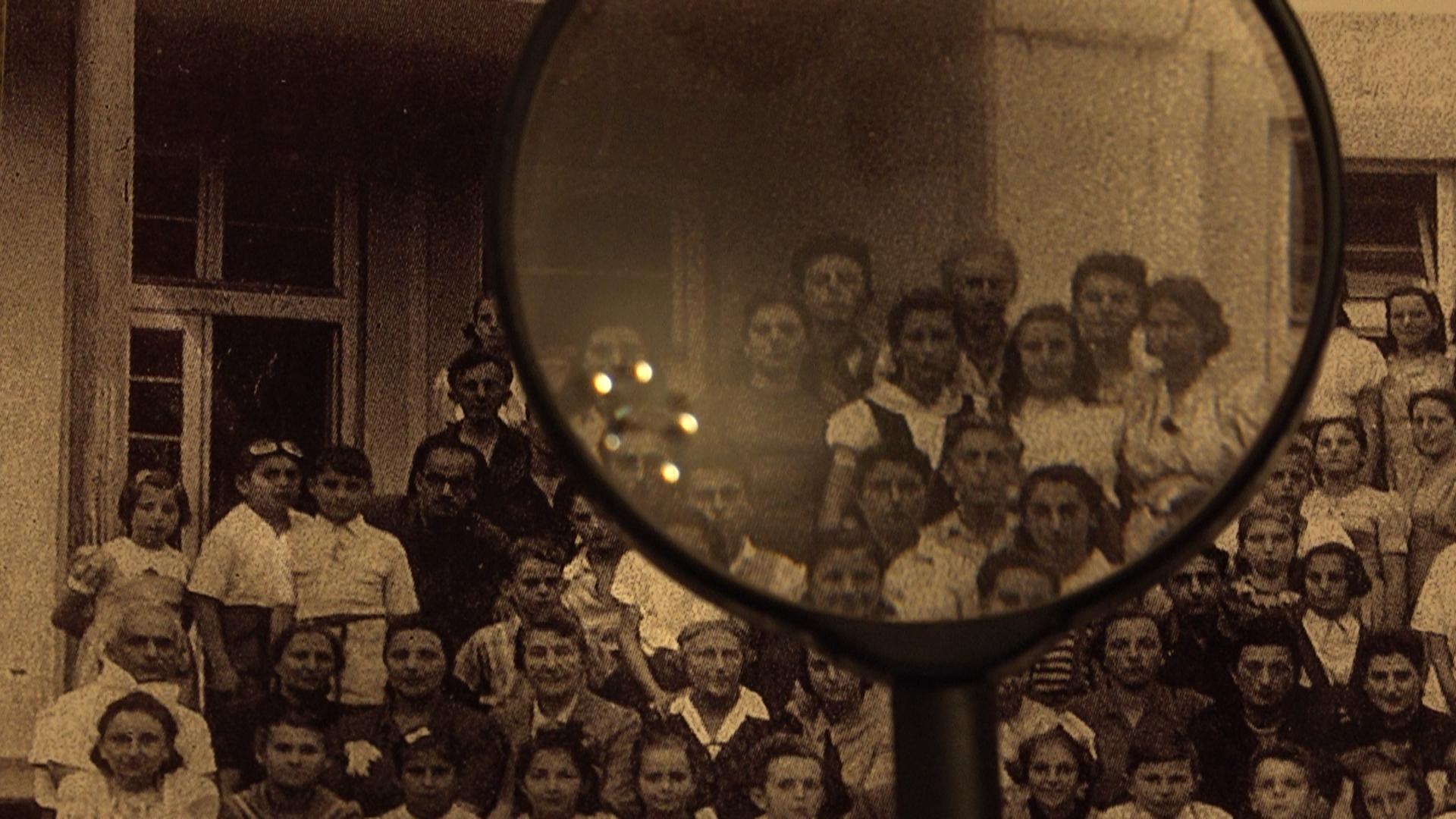
You Can Cry Now follows children who survived World War II on their journey back to life at a children’s home in Otwock, Poland. Through human relationships and the transformative power of art, they gradually rediscover childhood, learn to trust again, and rebuild their sense of self, laying the foundations for a hopeful adult life.
Synopsis
At the end of World War II, the David Guzik Children’s Home was established in a former sanatorium on the edge of a forest in Otwock, Poland, to care for Jewish children orphaned by the Holocaust.
Led by Luba Bilicka Blum, a Warsaw Ghetto survivor, and a team of educators who had also endured the Holocaust, the home faced an extraordinary challenge: helping children recover from profound physical and psychological trauma. Some had forgotten how to walk or speak; others clung to weapons, feared human contact, or struggled to abandon the survival behaviours that had once kept them alive.
How could these children learn to trust again, rediscover their childhood, and build a future?
Bilicka Blum believed in looking forward. Inspired by Janusz Korczak’s educational principles, she invited leading Jewish artists to use art as a path toward healing, expression, and human connection. Gradually, the home became a place where relationships flourished, and a sense of family emerged.
Through intimate interviews with former residents, now in their eighties and nineties, the film reveals a remarkable story of resilience, showing how art, compassion, and human relationships helped children reclaim their lives and rebuild their faith in humanity.
About the Director
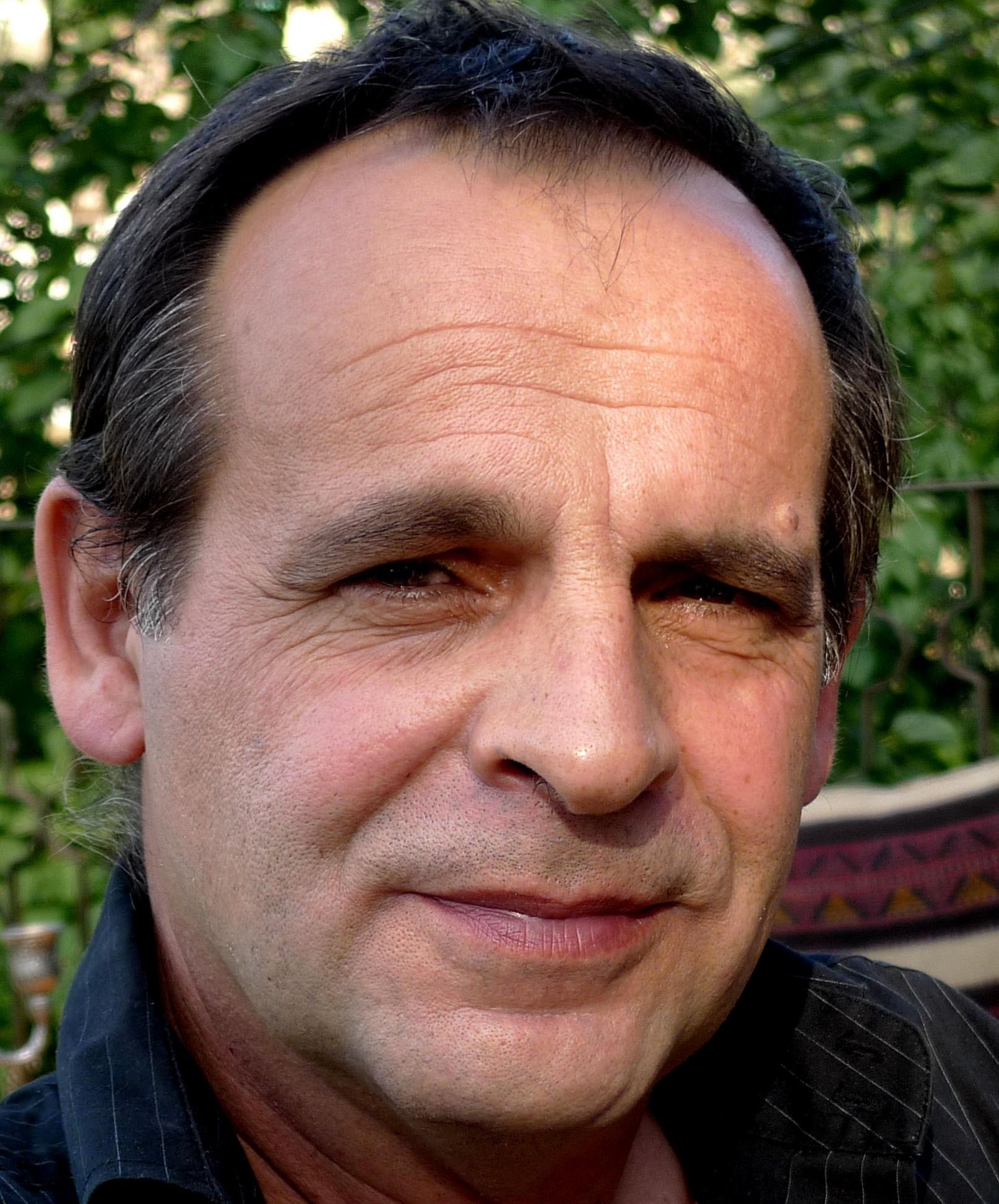
Ami Tadeusz Drozd
Ami (Tadeusz) Drozd is an Israeli filmmaker, writer, director, and editor, born in Warsaw, Poland, in 1953. After immigrating to Israel in 1964, he studied filmmaking in Tel Aviv and film and television at Saddleback College in Los Angeles. From 1980 to 1995, he worked as a director and editor for Israel Television. In 1996, he founded ATS Production Company, offering production and post-production services.
His filmography spans documentary and fiction, exploring identity, migration, memory, human relationships, cultural conflict, art, and history. His works include My Australia, Five Cities, Four Women, and The Name My Mother Gave Me. His films often reveal personal stories within broader social and historical contexts.
In 2012, My Australia won five Golden Aphrodite Awards at the Cyprus International Film Festival, including Best Film, Best Screenplay, Best Director, Best Actor, and Best Producer. Drozd continues to explore the complexities of human experience through cinema.
Artistic Statement
I am the son of Holocaust and war survivors. My mother was a Jewish teenager from Warsaw during the Holocaust. My father was a Polish Catholic, raised in the countryside, who fought with the Peasants’ Battalions resistance movement and was imprisoned in Majdanek concentration camp. Their experiences shaped my life and affected generations, making this film deeply personal.
You Can Cry Now explores how Jewish children who survived the Holocaust gradually found their way back to life in a children’s home in Otwock, Poland, established in 1945. Through testimonies of former residents, the film examines their lost childhoods, their parents’ lives and fates, and the struggle to rebuild trust and human relationships.
My visual approach combines archival photographs, historical footage, painting, and animation. The transformation of black-and-white images into colour symbolizes the journey from trauma towards life.
My aim is to honour the children and their parents, revealing how art, compassion, and human connection helped survivors reclaim childhood and rediscover the possibility of living again.
Year
2027
Film Type
Documentary
Film Length
55 minutes
Language
Hebrew, Polish, French, English
Production Country
Poland
Director and Writer
Ami Tadeusz Drodz
Co-Director
Hana Lasman
Producer
Andrzej Titkow
Director of Photography
Yoram Milo
Subject Region
Poland
Production Company
TAK Film Studio
Researcher
Andrzej Nizolek
Funding
With assistance from the Conference for Jewish Material Claims Against Germany
Funded by the German Federal Ministry of Finance
Stills