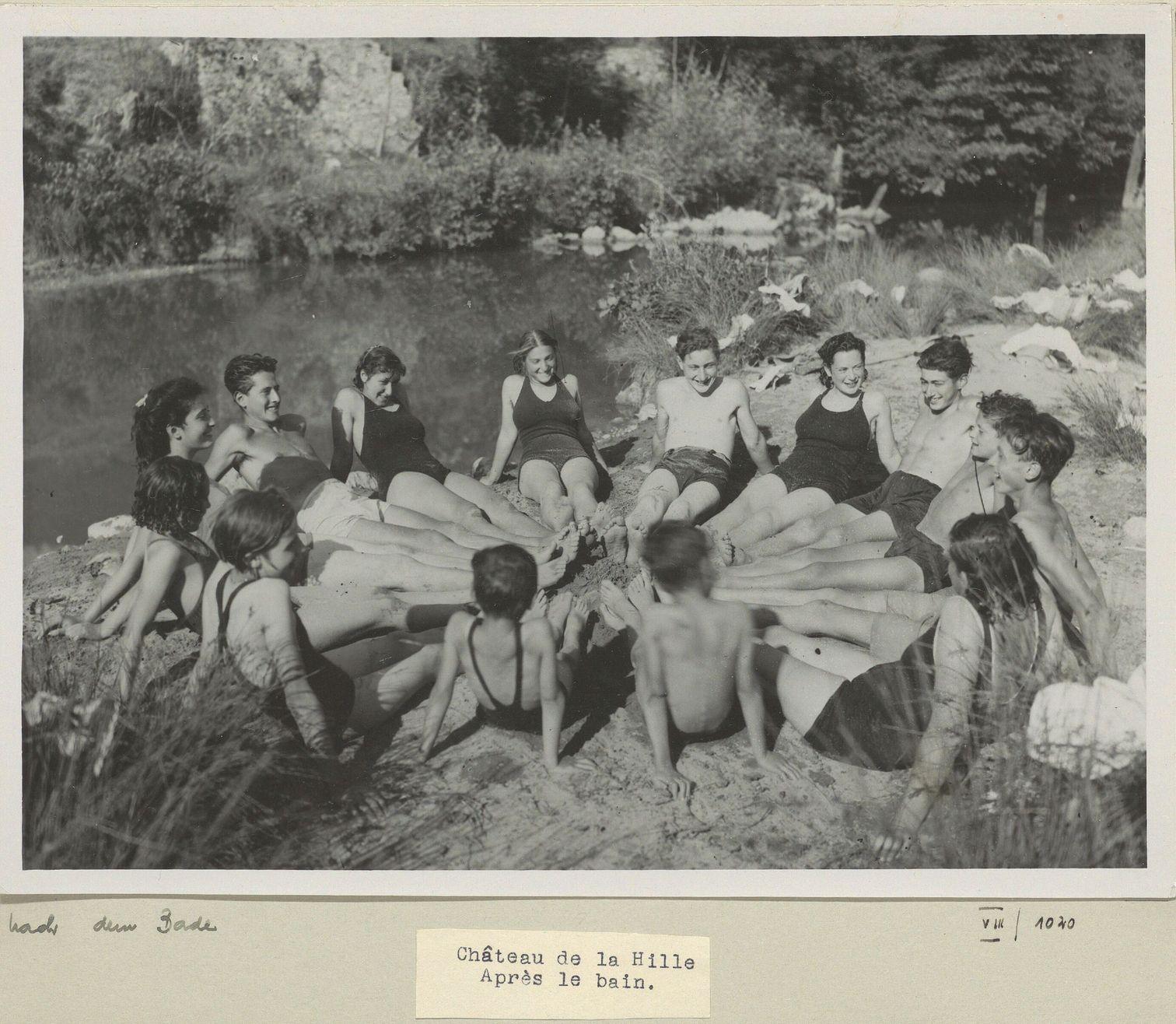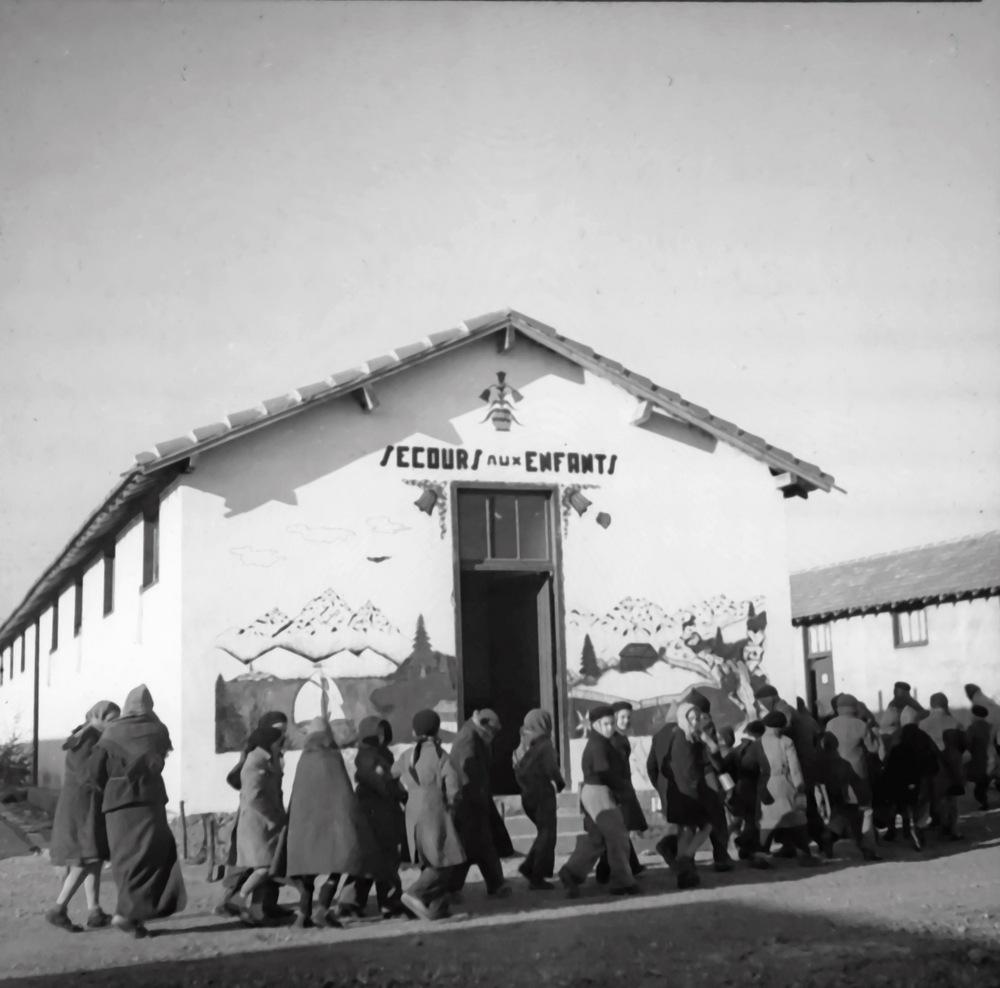
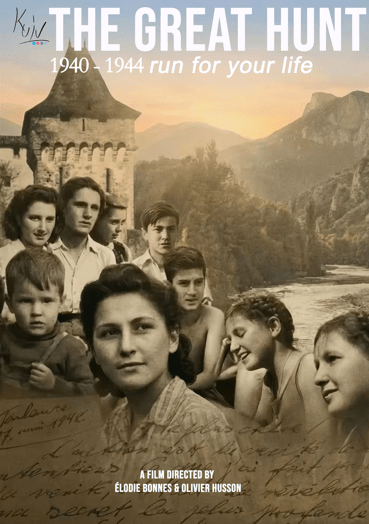
During World War II, a hundred German-Jewish children find refuge in a château in southwest France run by the Swiss Red Cross, creating a fragile island of culture and youth under constant surveillance by Vichy authorities, until their collective courage and the protection of a few adults allow nearly all of them to escape the fate of deportation.
Synopsis
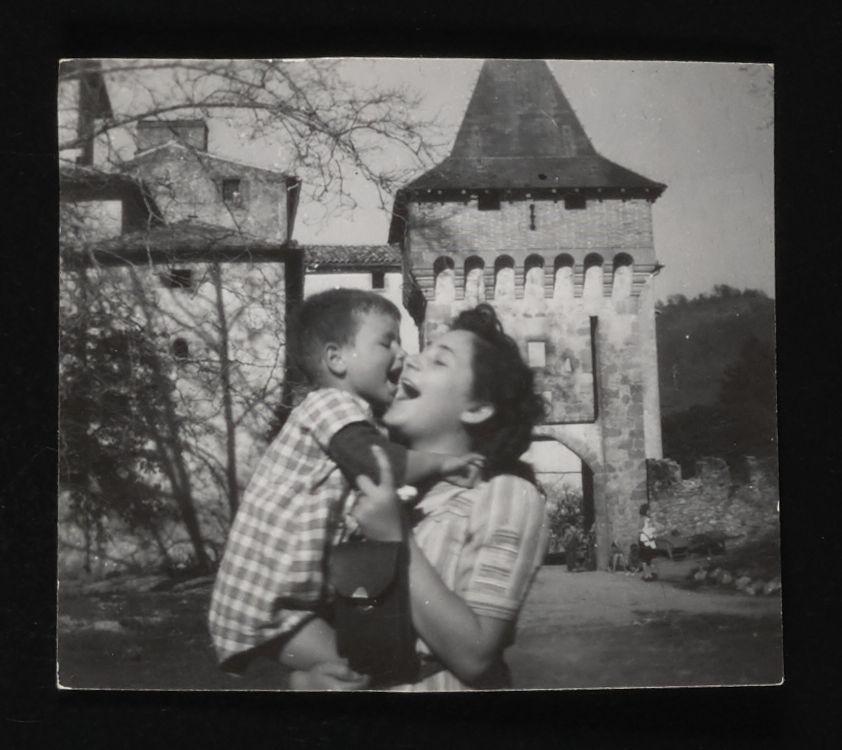
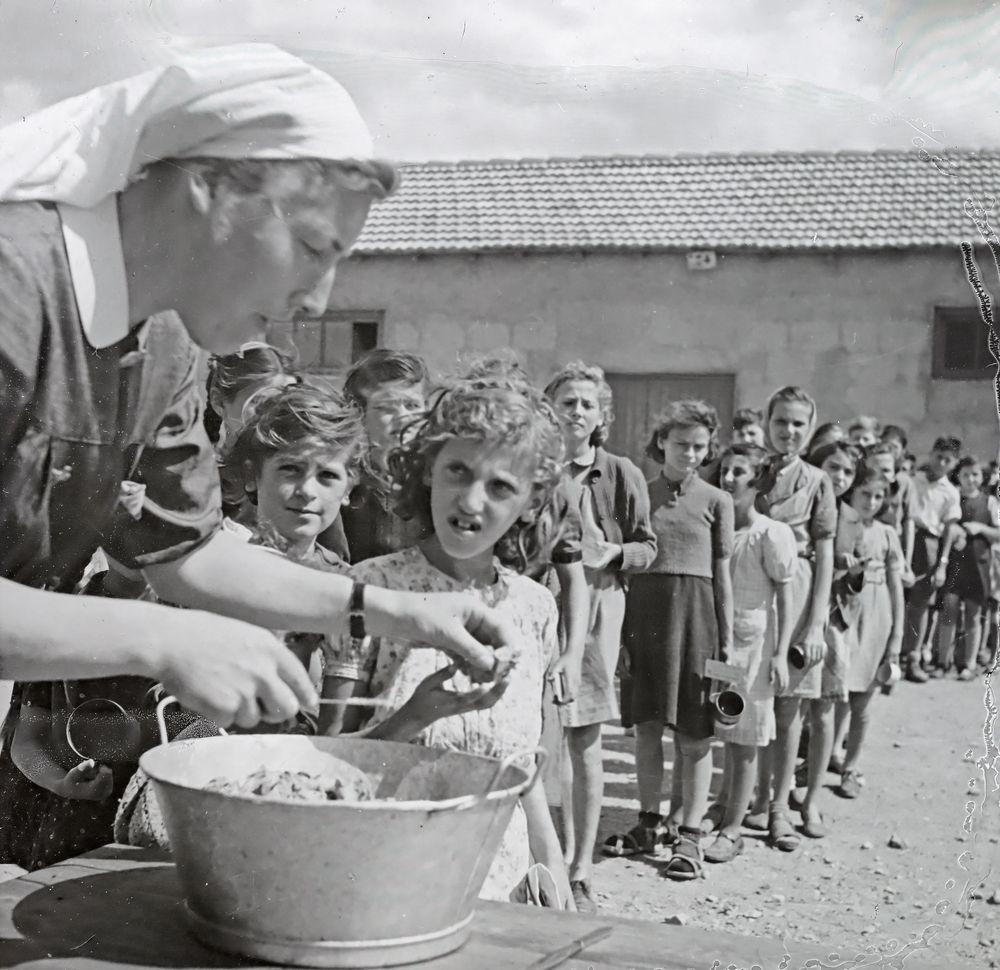
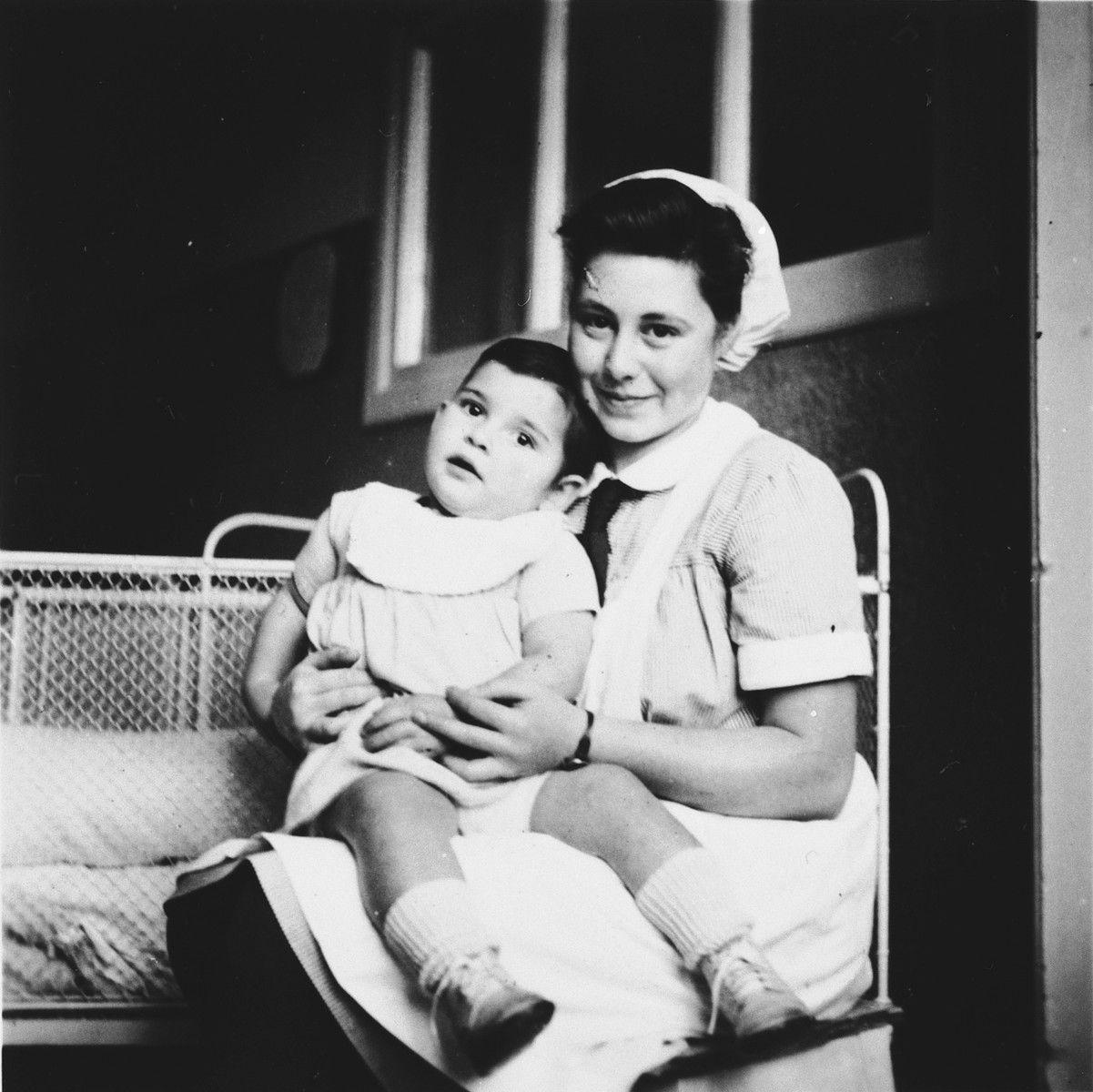
After the 1938 Kristallnacht, Edith, Hans, Betty, Kurt and Heinz flee Nazi Germany and Austria. Their exile continues through Belgium as the Wehrmacht advances across Europe. Along with around a hundred other Jewish children and teenagers, they eventually find refuge in the unoccupied zone of southern France, in a château in Ariège. There, for a few fragile years, they build a life that seems suspended in time. They study, play music, stage theatre performances, work in the fields, and experience friendships and first loves. Within the walls of the château, youth persists despite war.
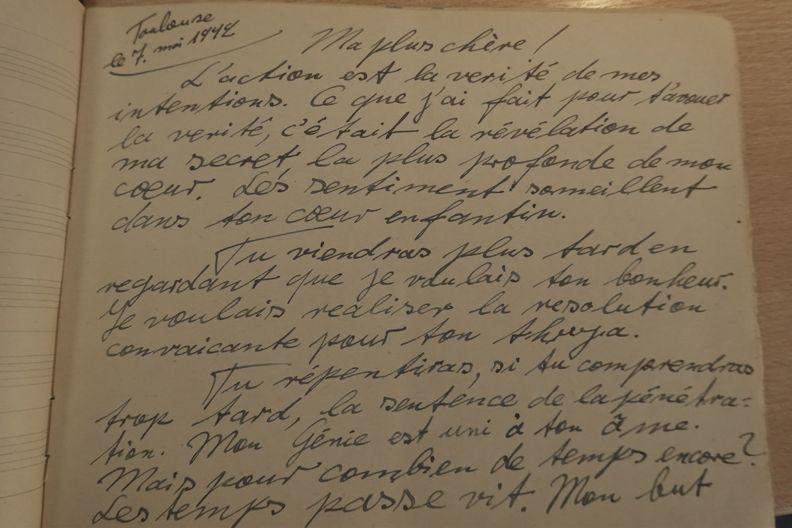
Yet danger is never far away. The Vichy authorities keep careful records of these young refugees, and the threat of arrest hangs constantly over them. In August 1942, a massive roundup targets Jewish youths over the age of sixteen. Many are arrested and sent to the Camp du Vernet, facing the risk of deportation to Nazi camps. What follows is an extraordinary rescue. Thanks to the courage and determination of the young adults responsible for the humanitarian refuge, several manage a daring escape and avoid deportation at the last moment. Through diaries, letters, photographs and testimonies from surviving women, the film explores resilience, solidarity and the strength of youth confronting persecution.
About the Directors
Olivier Husson
Olivier Husson was a high school history and geography teacher for 17 years. During that time, he designed and led a European project on civic engagement that brought together a thousand students from five countries over three years to create artistic works, including a 70-minute documentary screened at the Cinespaña Festival and alongside Fipadoc. Five years ago, he turned to documentary filmmaking to continue encouraging critical thinking beyond the classroom.
Élodie Bonnes
Élodie Bonnes has a background in history and journalism and has been directing documentaries for French television for nearly twenty years. Her work explores public health and environmental issues while aiming to spark curiosity, empathy, and engagement. Her recent film, Homo Plasticus (Arte, 2025), about plastic contamination in the human body, was selected for several international festivals and screened by NGOs worldwide.
Artistic Statement
The documentary will be built around written archives, which will serve as both its core and its driving force. They will guide our choices of characters, images, voice, and music. Through these documents, the remarkable story of the children of the Château de la Hille will be told primarily by the protagonists themselves rather than by historians. The film will draw its narrative directly from their words, letters, and traces of the past. The only passages into the present will appear through images of the places that still exist today, beginning with the Château itself, and through the testimonies of the surviving women who once lived there.
Year
(in post-production)
Film Type
Feature Documentary
Film Length
TBD
Language
French
Production Country
France
Directors
Olivier Husson
Élodie Bonnes
Producer
Vincent Sacripanti
Subject Region
France
Production Company
Kuiv Productions
Funding
With Assistance from Conference on Jewish Material Claims Against Germany
Funded by the German Federal Ministry of Finance
Stills