How do you deal with the history of your Jewish parents, Holocaust survivors, in these polarized times? The war in Ukraine, the conflict in Gaza, and Israel’s aggression; for the descendants it impacts the processing of ongoing intergenerational trauma.
Synopsis
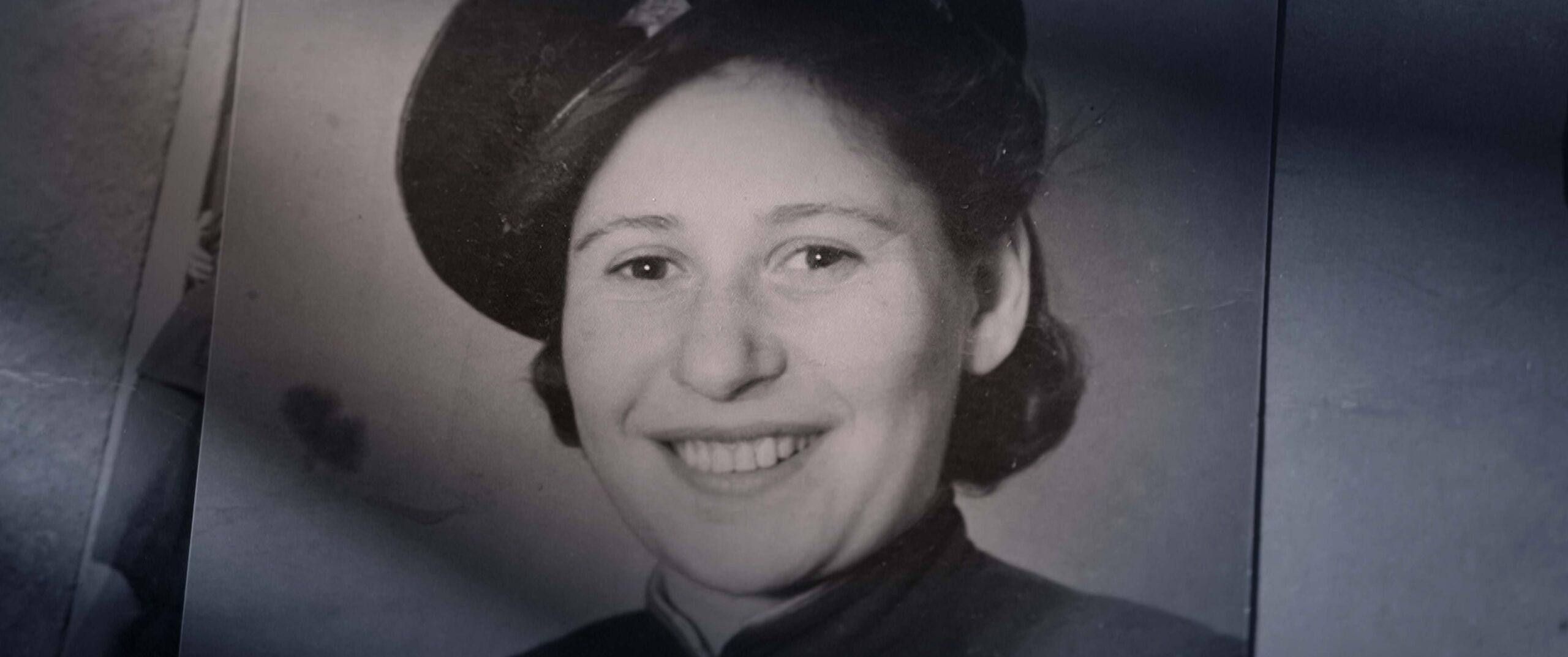
In 1943, a group of Jewish prisoners in the Nazi extermination camp Sobibor revolted. This spectacular uprising fortunately allowed some to survive this “death factory”. In the 1980’s Jules Schelvis, himself a Sobibor survivor, interviewed 12 men and women involved in the uprising. Most had never told their stories until Schelvis captured them with his amateur camera. These twelve survivors give an intimate eyewitness account of the events in the camp.
”Unterscharfuhrer Graetschus was lured inside. I made him try on a uniform. From behind I hit him on the head with an axe. He was dead immediately. We escaped from Sobibor!” Chaskiel Menche’s testimony over 40 years later shows he is still reliving the past.
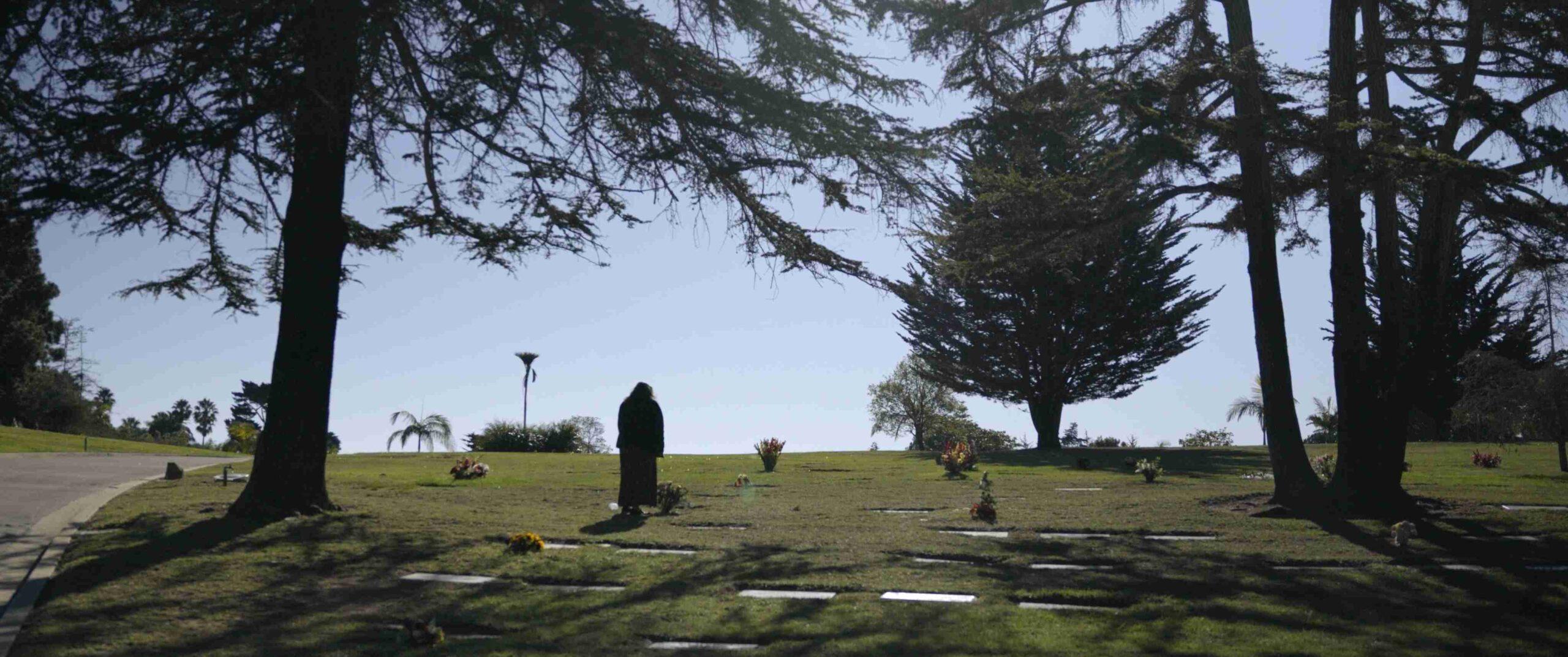
But the survivors’ stories do not end with the uprising, a question is raised: how do you live on after your entire family has been killed? The Sobibor survivors have traveled the world, away from Europe to the United States, to Ukraine and to Israel. In this film, we travel to meet the survivors and their children and grandchildren, who show how differently each generation deals with their ink-dark past.
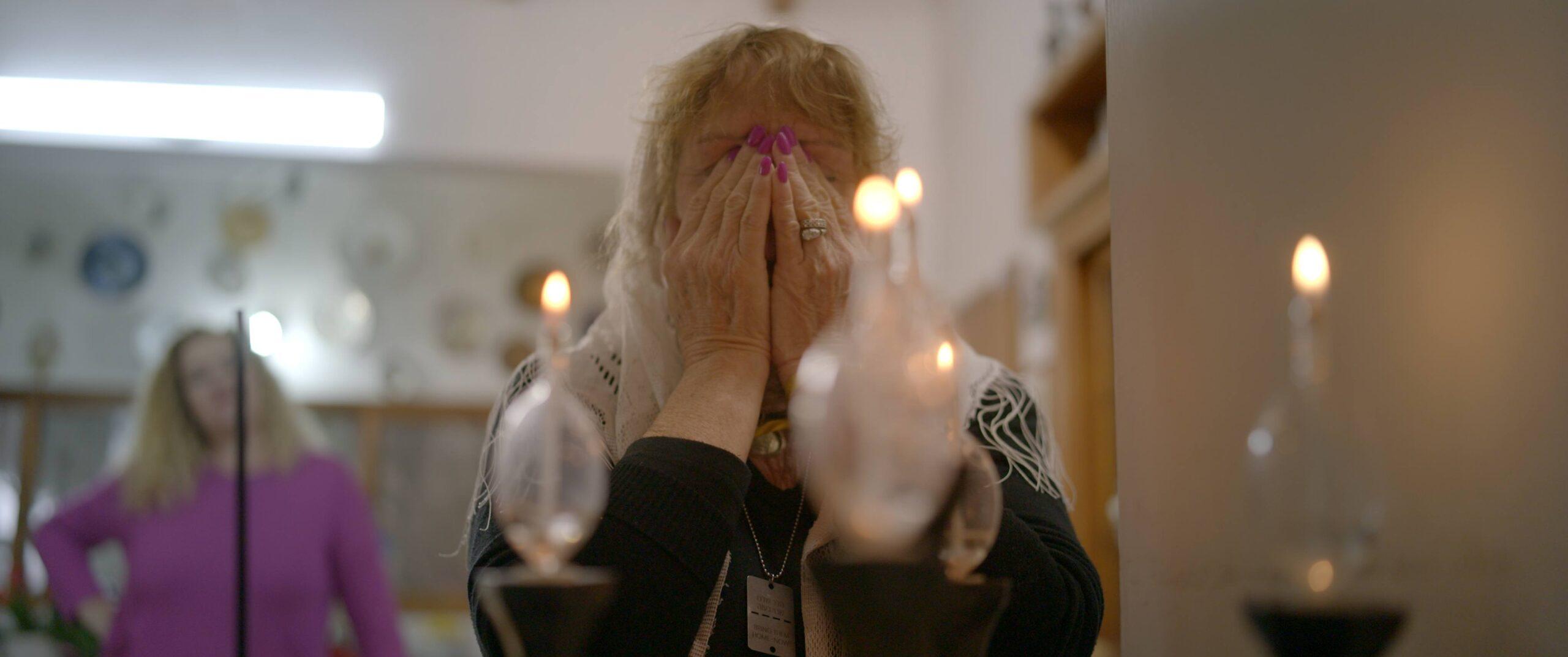
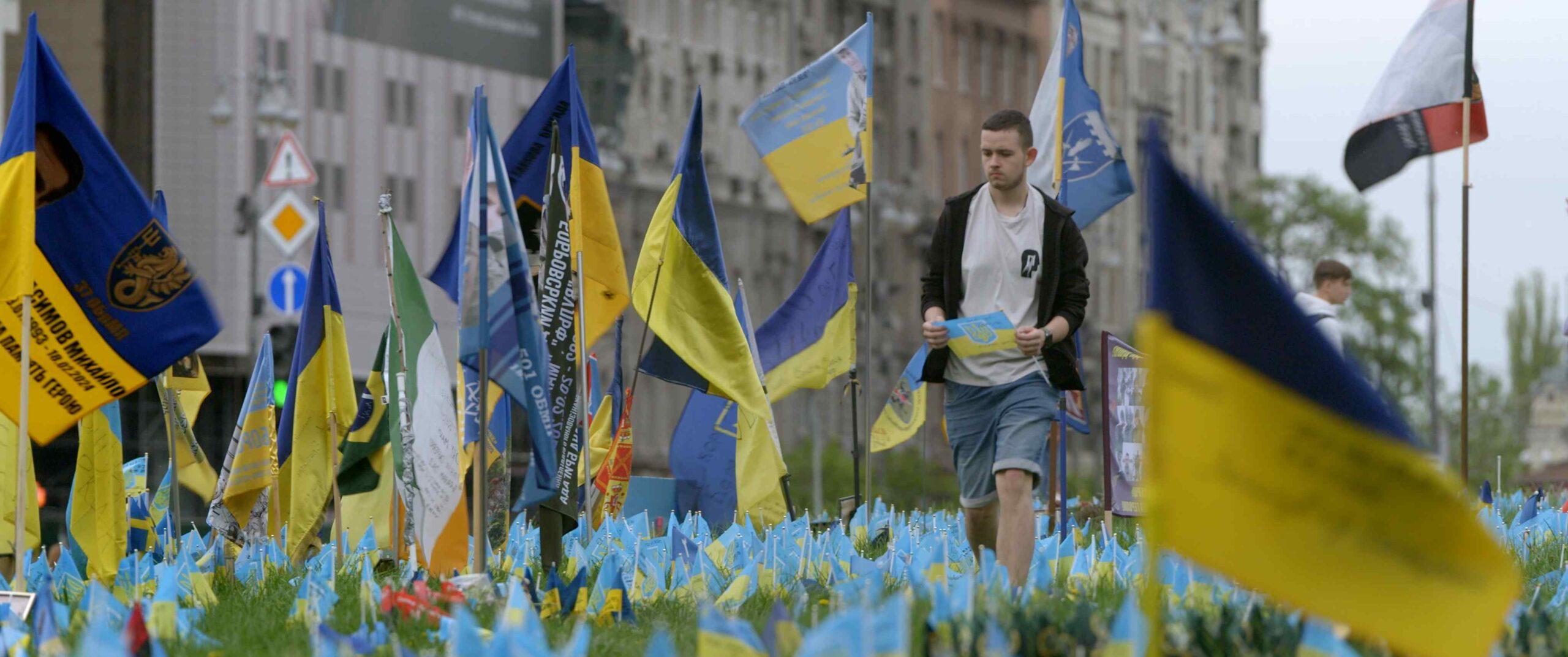
The survivors’ children carry the history of their parents with them. Their personality, who they are, is shaped by their parents’ past. And now, in confrontational ways, the present cuts through the past. In Kyiv, the scars of Russian aggression are painfully visible, and the threat of a new dictatorship is very real. In Israel, fighter jets roar overhead towards Gaza, and the violence Israel uses is increasingly condemned worldwide. What does this mean in the lives of the survivors’ relatives?
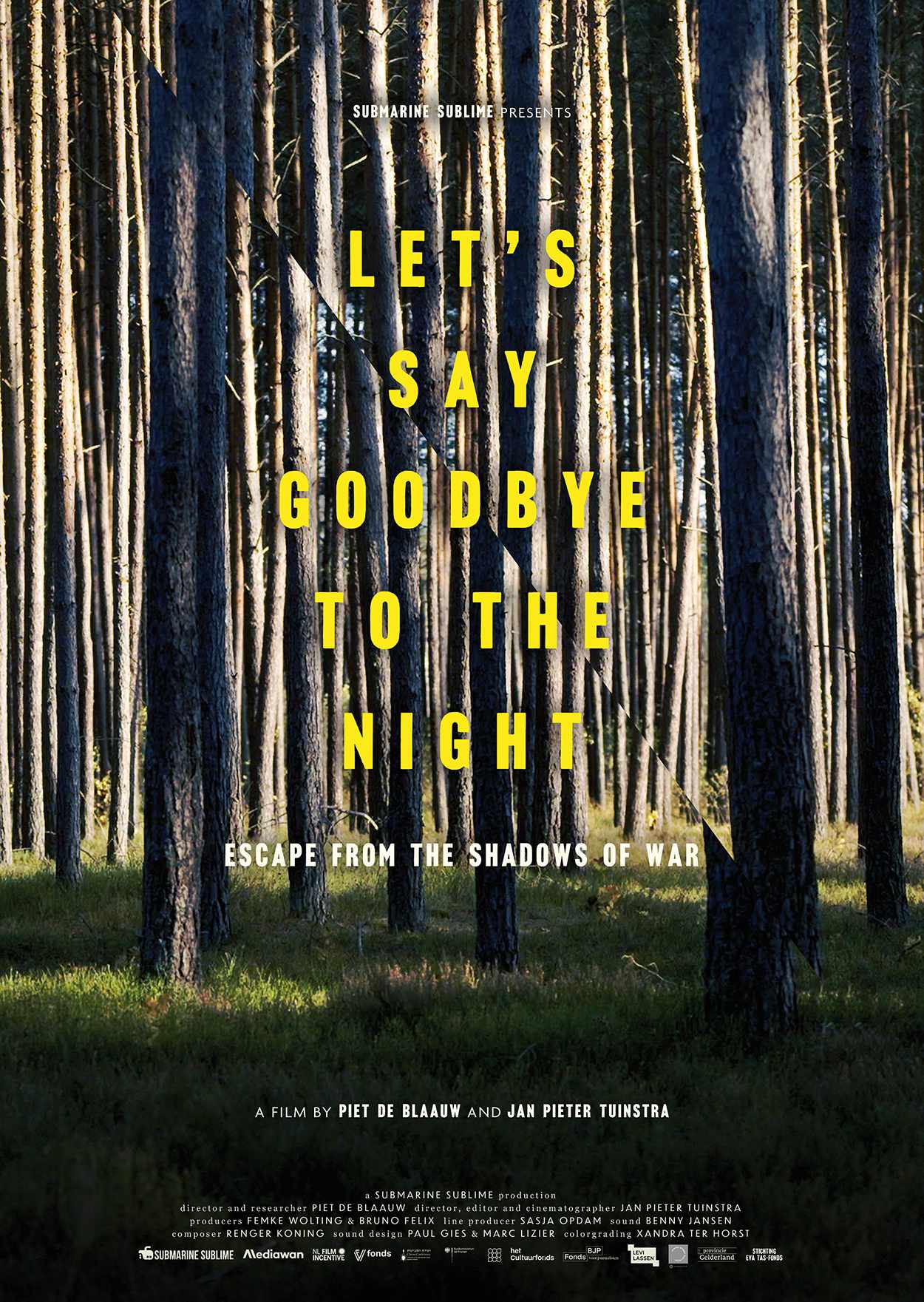
Let’s Say Goodbye to the Night is a documentary by Piet de Blaauw and Jan Pieter Tuinstra about the inescapable echo of history in today’s world.
About the Directors

Piet de Blaauw (1969) started his journalistic career as a correspondent in Scandinavia for Dutch tv stations, radio and newspapers. After returning to the Netherlands he switched to tv reporting, working for leading current affairs programs, specialized in foreign reporting in countries like Afghanistan, Indonesia and Iraq. In recent years Piet has been working as an independent documentary director for Dutch PBS, focusing on foreign affairs, politics and historical topics. Piet produced an award-winning documentary about Sobibor, together with Jan Pieter
Tuinstra.
Jan Pieter Tuinstra was born in 1971 in a small village in the North of the
Netherlands. He attended the Academy of Fine Arts St. Joost in the city of Breda. In 1995 he graduated as director at the audio-visual department. His graduation film was awarded as the best student production at the Dutch Film festival in 1995. Ever since he has worked as a documentary filmmaker and D.O.P, mainly assigned by public broadcasters. Tuinstra lives with his family in Amsterdam. His work falls within the range of artistic documentary making and journalistic driven storytelling. Throughout the years Tuinstra has developed a special preference for historical themes in combination with a high social impact. His vogue dance film ‘Otherland’ (2018) that provides an inside view in the LGBTQ+ community was awarded multiple times as best short doc at festivals around the world.
Artistic Statement
We carry a moral duty to keep the memory of Sobibor alive. With ongoing violence and hate in the present time, its warning is urgent. We honor survivors’ testimonies and witness today that this level of evil is not just history.
Year
2026
Film Type
Feature Documentary
Film Length
1 h 50 min
Language
English
Production Country
Netherlands
Directors
Piet de Blaauw
Jan Pieter Tuinstra
Producers
Femke Wolting
Bruno Felix
Sasja Opdam
Co-Producer
David Shaw
Creative Producers
Katja Draaijer
Francine Hofstee
Director of Photography/Editor
Jan Pieter Tuinstra
Subject Region
USA
Poland
Ukraine
Israel
Production Companies
Submarine Sublime
BNNVARA
Music by
Renger Koning
Researcher
Piet de Blaauw
Distribution
Mediawan Rights
Funding
With Assistance from Conference on Jewish Material Claims Against Germany
Funded by the German Federal Ministry of Finance
Other Funders
Netherlands Film Production Incentive
Vfonds
Jewish Story Partners
Het Cultuurfonds
Fonds Bijzondere Journalistieke Projecten
Eva Tas-fonds
Stichting Levi Lassen
Provincie Gelderland
Trailer
Stills