Through the lens of one German town, Beyond 13 Driver’s Licenses examines how an entire society allowed Nazism to rise — interweaving personal stories with a broader portrait of memory, reckoning, and the warning signs that still resonate today.
Synopsis
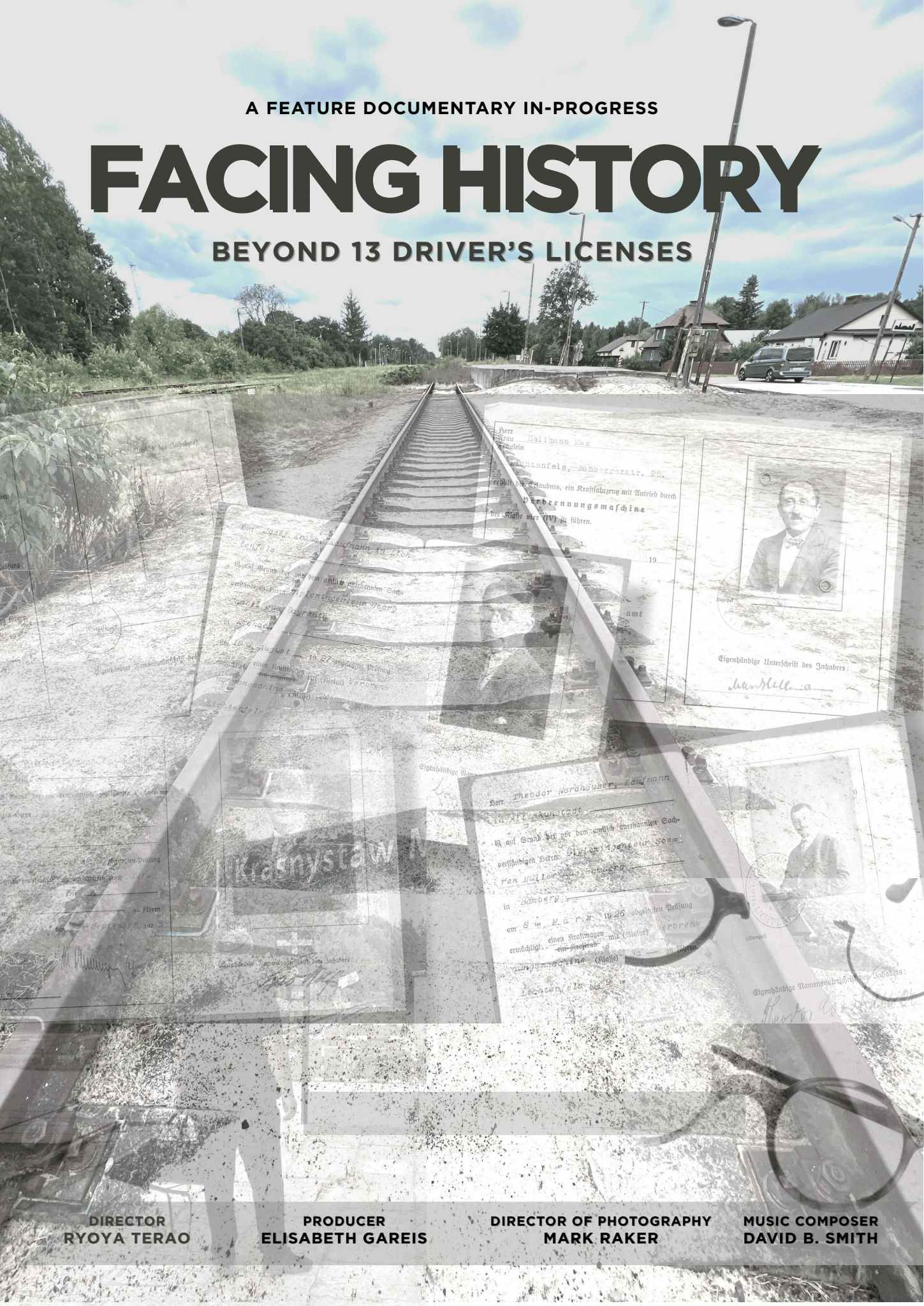
Beyond 13 Driver’s Licenses is a feature-length documentary that explores how fascism took hold in one small German town — and what that history means for us today. Filmed in Lichtenfels, Germany; Sobibor, Poland; and New York, USA, the documentary examines the lives of Jewish residents who once called Lichtenfels home, the societal conditions that led to their exclusion and eventual deportation, and the neighbors and institutions that enabled the rise of Nazism.
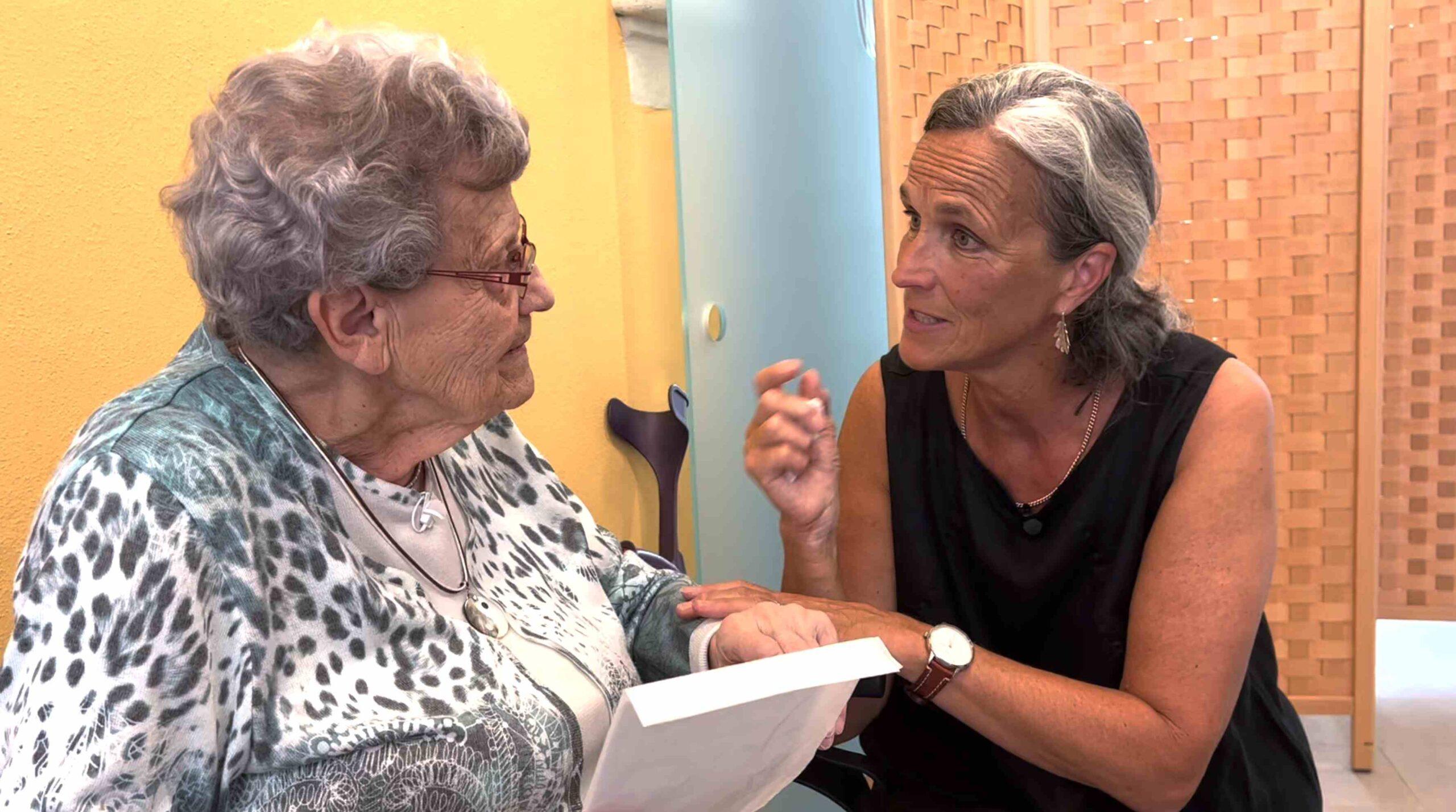
The film interweaves archival research, site-specific investigation, and intergenerational encounters — bringing together descendants of Jewish victims and non-Jewish residents to confront a shared history. These personal journeys raise complex questions about complicity, silence, remembrance, and reconciliation.
Rather than focusing solely on individual stories, Beyond 13 Driver’s Licenses investigates how an entire society became entangled in a system of escalating intolerance — offering a microcosmic view of how fascism embeds itself in everyday life. From classrooms to council chambers, from acts of defiance to gestures of compliance, the film traces how ordinary people shaped extraordinary outcomes.
By connecting past and present, Beyond 13 Driver’s Licenses invites viewers to recognize the warning signs — reminding us that history does not repeat itself, but it often rhymes.
About the Director
Ryoya Terao
Ryoya has co-produced and/or directed documentaries focusing on human-interest subjects. For NHK and PBS, stories include Sled-Dog Dreams about a sled-dog team from an animal shelter in Durango, Colorado; Go Achilles! on disabled athletes from around the globe; Gun Runners on gun-violence through the eyes of former gang members in New York; and Klavierhaus on immigrant brothers who import and restore antique pianos. With respect to environmental concerns, he worked on a documentary about asbestos litigations and in the process, discovered a groundbreaking historic document that led to compensations for asbestos-related diseases in Japan. He also directed Bamboo Bicycle, a story on an innovative bike studio in Brooklyn operated by three young men, hand crafting bamboo bikes for eco-friendly New Yorkers and people in the developing world.
Ryoya has also interviewed renowned actors such as Robert DeNiro and Julie Andrews, artists and sports personalities such as the legendary PR announcer for the Yankees, Bob Shepard, as well as political and governmental figures, including Romeo Dallaire, the Force commander of the UN Assistance Mission in Rwanda.
Artistic Statement
In Beyond 13 Driver’s Licenses, our goal is to expand the intimate visual storytelling of the short film into a fuller, deeper cinematic experience. As a trained visual artist, I remain committed to telling stories through mood, image, and emotional resonance rather than exposition. While the subject matter is rooted in historical trauma, the film’s overall tone leans toward hope, connection, and the ongoing process of understanding.
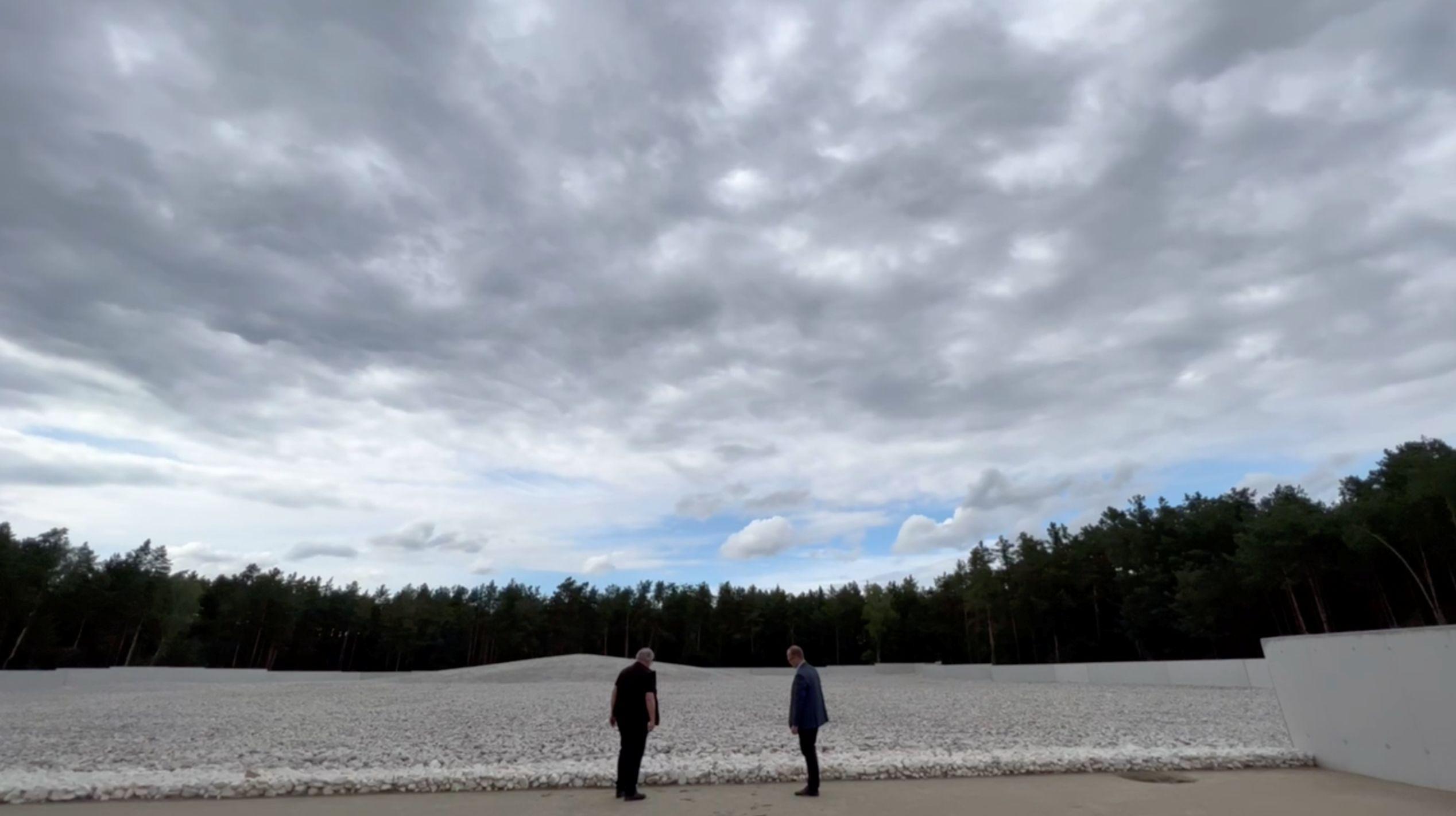
The film is shot primarily in Lichtenfels, Germany, where the stories originate; in Sobibor, Poland, the site of extermination for many of the town’s deported Jews; and in New York, where descendants of survivors and émigrés reflect on the past from a transnational perspective. These locations ground the visual world of the film — juxtaposing contemporary tranquility with evidence of past violence and loss.
We are again collaborating with cinematographer Mark Raker, whose experience in both documentary and narrative forms brings visual depth and emotional sensitivity to each frame. Light is central to his approach — as he has said, the light in this film is meant not only to reveal the physical environment, but to reflect the inner lives of those onscreen. This sensibility is especially critical as we film intergenerational encounters and moments of silence, where gestures and glances carry as much meaning as spoken words.
The feature will incorporate subtle reenactment and archival visual elements, often juxtaposed with present-day imagery in the same locations. These visual echoes are designed to evoke continuity and rupture, drawing attention to how history lingers in space.
Sound will again play a major role. We are capturing the ambient sounds of each location — church bells, birdsong, footsteps — as part of the film’s emotional texture. Foley work will support segments of reenactment and historical atmosphere.
Original music will be composed by Dr. David B. Smith, our longtime collaborator, once the structure of the film is further developed. While the musical score is not yet written, we intend to build on the thematic foundation established in the short — exploring emotional complexity through classical influences that speak to guilt, loss, and transcendence.
The feature format enables us to expand our lens — from personal stories to a broader societal analysis of how fascism takes root. This is a film about a town, but also a mirror for the world.
Year
In production
Film Type
Documentary
Film Length
TBD
Languages
English
German
Production Country
USA
Director/Writer/Editor
Ryoya Terao
Writer
Peter Frumkin
Producer/Writer
Elizabeth Gareis
Director of Photography
Mark Raker
Editor
Vinit Parmar
Subject Region
Germany
Music by
David B. Smith
Researchers
Teresa Klimowicz
Elana Gluch
Penelope Saunders
Funding
With Assistance from Conference on Jewish Material Claims Against Germany
Supported by the Foundation Remembrance, Responsibility and Future and by the German Federal Ministry of Finance
Other Funders
Sparkasse Coburg – Lichtenfels
Koinor Horst Müller Stiftung
Benerofe
Research Foundation of the City University of New York
Baruch College
From the Heart Productions
Stills