A testimony at Eichman’s trial about a brutal murder gives one family certainty about a brother’s fate. When new information surfaces decades later, that certainty collapses, pulling two families into a search that exposes how memory, silence, and history shape what we choose to believe.
Synopsis
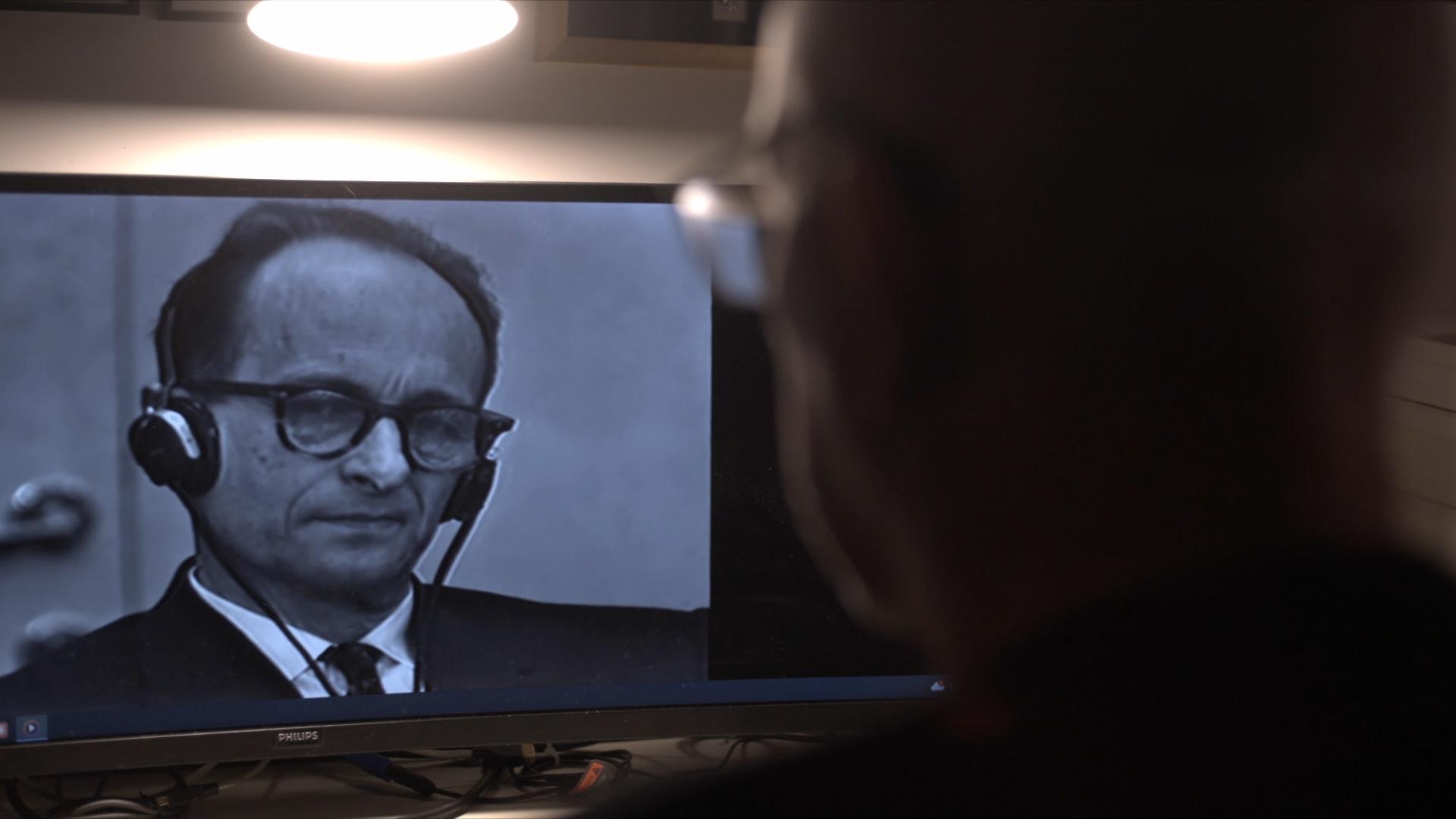
Jerusalem, 1961. At the Eichmann trial, survivor Abraham Gordon testifies about a group of Jewish boys forced to work at the villa where Eichmann lived during the deportation of Hungarian Jews to Auschwitz in 1944. One day, a boy was accused of stealing cherries from the garden, taken into a shed and brutally beaten. Gordon later saw the boy’s lifeless body being dragged out and loaded into a car.
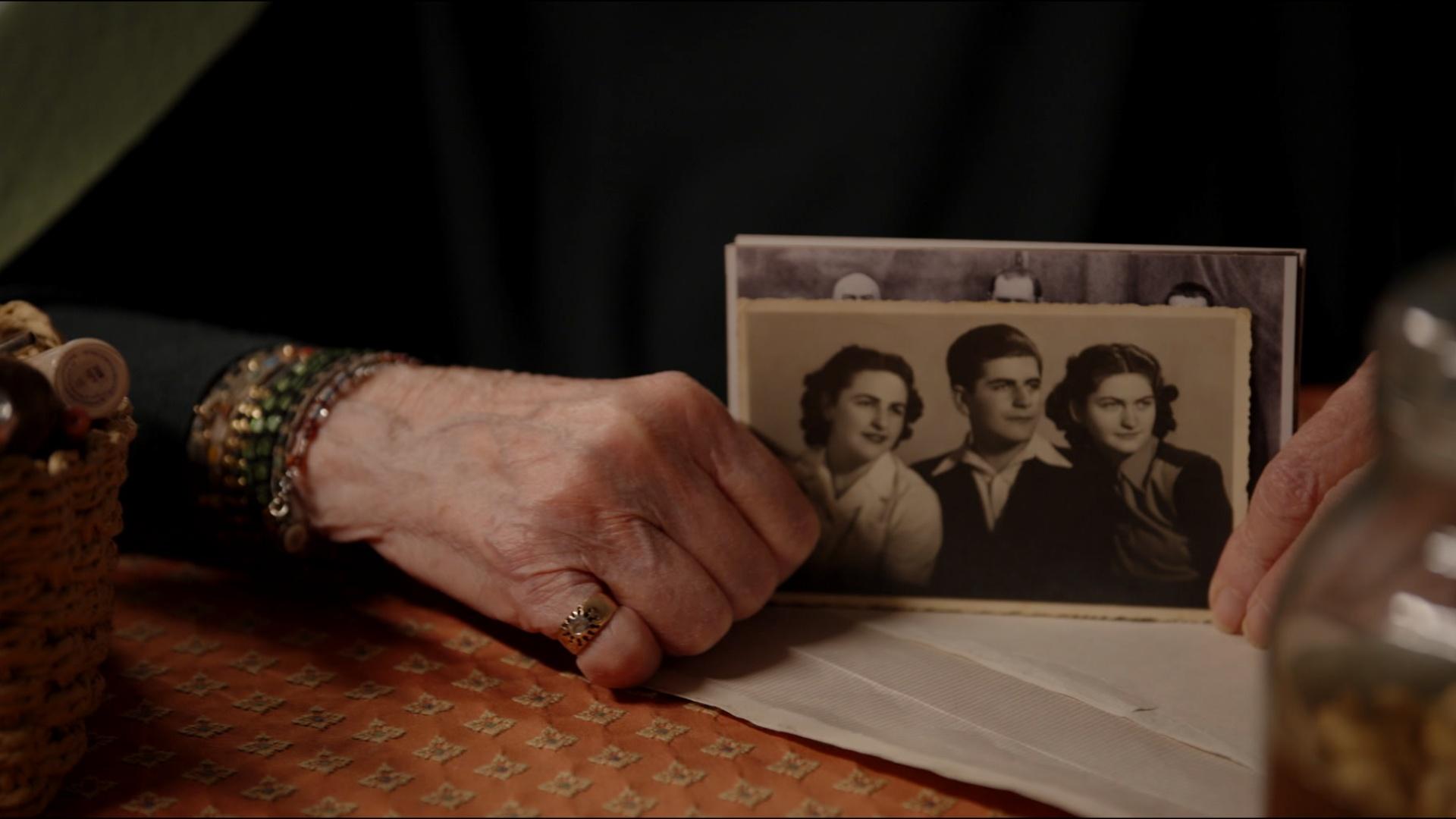
For Yudith Paskal, a survivor searching for her missing brother Otto, the testimony brings devastating clarity. She sends Gordon a photograph. He identifies Otto as the murdered boy. After years of uncertainty, the family finally has an answer.
For decades, that answer holds.
Then, in 2024, a chance conversation between a survivor’s daughter and a Holocaust researcher brings impossible-to-ignore details to the surface: the cherries, the shed, the beating, and a survival story that doesn’t align with the trial testimony. The researcher publishes an article exposing the long-overlooked inconsistency. When it reaches Otto’s family, decades of certainty begin to collapse.
The Murder at The Cherry Grove unfolds in real time, following four generations as they confront the possibility that their entire family history may need to be reopened.
About the Director

Erez Laufer
Erez Laufer has worked internationally in documentary filmmaking for decades. He collaborated with Chris Hegedus and D.A. Pennebaker on the Oscar-nominated The War Room, and with Laura Poitras on My Country My Country. He also worked on Children No More – Were and are Gone, nominated for an Academy Award for Best Documentary Short.
His directorial highlights include Rabin in His Own Words (Best Documentary, Haifa International Film Festival 2015) and Mike Brant: Laisse-Moi T’aimer (Israeli Academy Award for Best Documentary 2002; Directors’ Fortnight, Cannes 2003). Other notable films include One Day After Peace, The Darien Dilemma, Rafting to Bombay, and Wanted: Roni Kalderon (Docaviv 2024), co-directed with Hilla Medalia.
As an editor, his credits include Blue Box, Prisoner X, and H2: The Occupation Lab, among others. Erez mentors at IDFA, Archidoc, and X-Oriente, and is a member of the American Academy of Motion Picture Arts and Sciences.
Artistic Statement
As the son of a Holocaust survivor, questions of memory, testimony, and intergenerational transmission have shaped both my family life and my filmmaking. Growing up, the Holocaust was never abstract, it lived in stories, silences, and the emotional atmosphere of survival.
The Murder at the Cherry Grove approaches Holocaust memory not as a closed chapter, but as an unfolding process. The film is structured as an active investigation with real consequences: an unexpected discovery destabilizes a story that had shaped another family’s identity for decades. This rupture is not a historical footnote it is a contemporary reckoning.
Visually grounded in intimate verité, the camera observes participants as they encounter testimony and archival documents in real time. Archival footage and trial transcripts function as living forces within the story, holding the tension between memory, testimony, and truth.
Year
(in production)
Film Type
Feature Documentary
Film Length
TBD
Language
Hebrew
Production Country
Israel
Director
Erez Laufer
Producer
Hilla Medalia
Subject Region
Israel
Production Company
Medalia Productions
Funding
With Assistance from Conference on Jewish Material Claims Against Germany
Funded by the German Federal Ministry of Finance
Stills